How Long Does a Roof Last in Anchorage’s Climate?
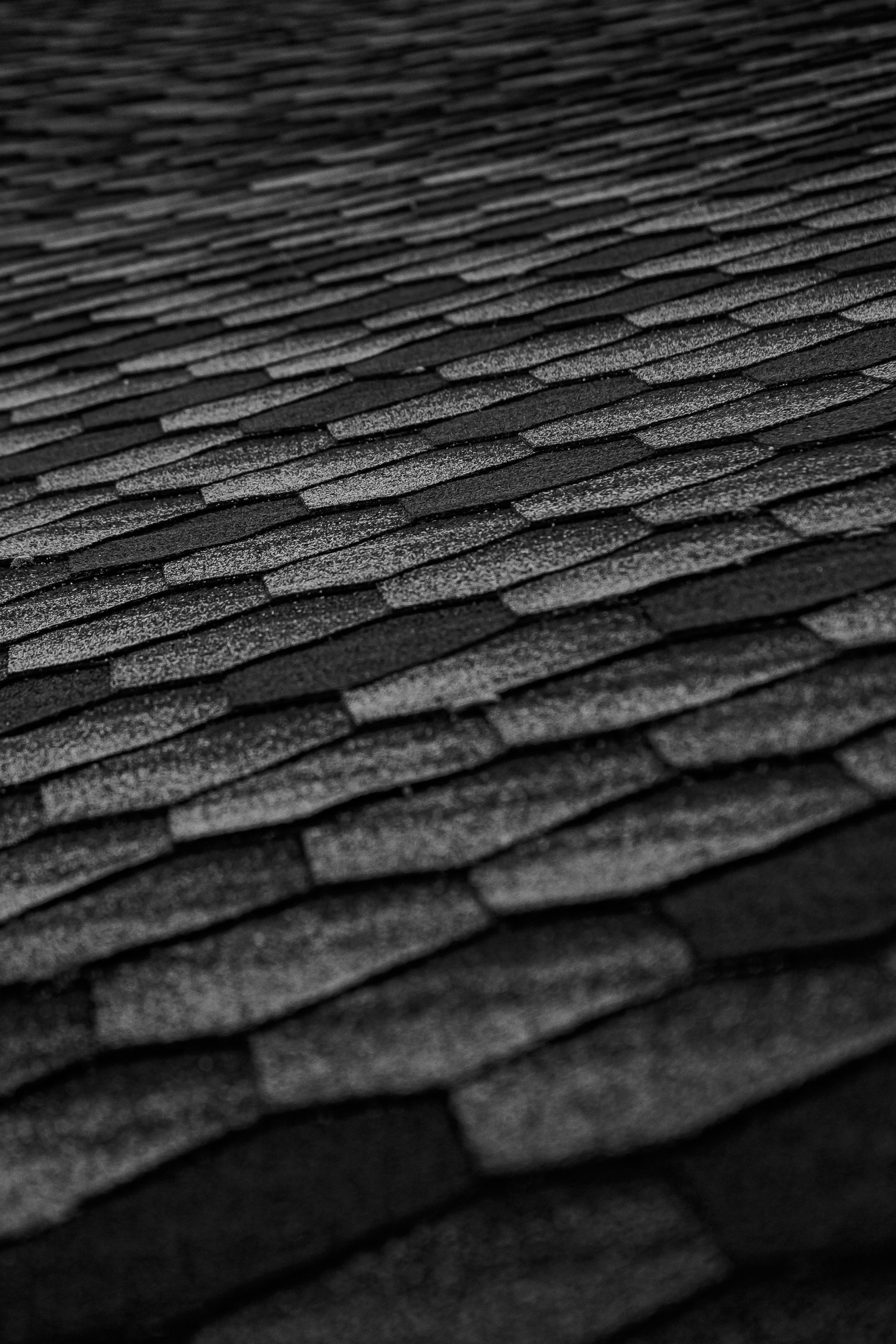
Your Roof Faces More Challenges in Alaska Than Almost Anywhere Else
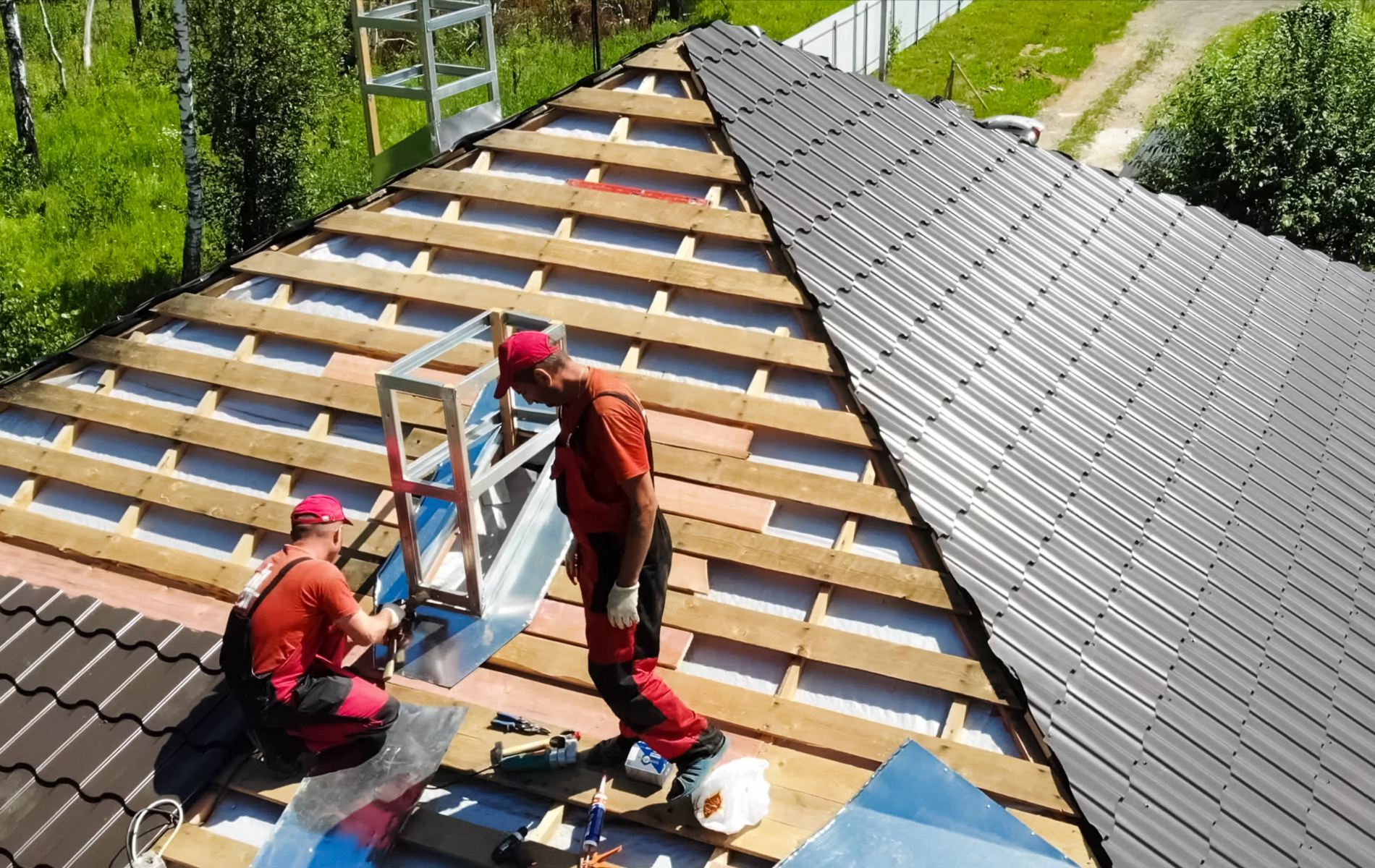
If you live in Anchorage, Eagle River, Wasilla, or Palmer, you already know that Alaska’s climate tests the limits of every building material — especially your roof. Between freezing winters, high winds, snow accumulation, and rapid temperature changes, even a well-built roof won’t last as long here as it might in milder states.
At Alaska Shingle Solution, we specialize in helping homeowners understand their roof’s true lifespan and what it takes to extend it. Let’s break down how long different types of roofs last in Anchorage, what factors shorten their lifespan, and how to make your investment go further.
1. Average Roof Lifespan in Alaska
The lifespan of a roof depends on materials, installation quality, and how well it’s maintained. However, Alaska’s extreme weather can reduce those averages by several years compared to the rest of the U.S.
| Roofing Material | National Average Lifespan | Average Lifespan in Anchorage, AK |
|---|---|---|
| Asphalt Shingles | 25–30 years | 18–25 years |
| Metal Roofing | 40–70 years | 35–60 years |
| Cedar Shakes | 30–40 years | 20–30 years |
| Flat Roof (EPDM or TPO) | 20–25 years | 15–20 years |
While Anchorage homeowners may not see the maximum lifespan listed by manufacturers, proper installation, timely repairs, and regular maintenance can significantly improve longevity.
2. Why Alaska’s Climate Is Hard on Roofs
Roofs in the Anchorage area endure constant stress throughout the year. Understanding these environmental challenges helps explain why professional care is essential.
Freeze-Thaw Cycles
Temperatures often swing above and below freezing in late fall and early spring. This causes trapped water to expand and contract inside roofing materials, loosening shingles and weakening seals.
Heavy Snow Loads
Anchorage’s snow accumulation puts thousands of pounds of pressure on roofs each winter. Flat and low-slope roofs are especially vulnerable to sagging or structural fatigue.
Ice Dams and Meltwater
Poor attic insulation or ventilation can cause ice dams, which trap melting snow and force water under shingles. This leads to leaks, rot, and premature shingle failure.
Strong Winds and Storms
Winds off the Cook Inlet and winter storms in Eagle River or Wasilla can lift shingles or damage flashing, leaving the roof exposed to moisture.
3. Signs Your Roof Is Nearing the End of Its Life
Even the most durable roofs eventually show signs of wear. Watch for these red flags, especially after a harsh winter or storm season:
- Curling, cracked, or missing shingles
- Shingle granules accumulating in gutters
- Visible sagging or uneven rooflines
- Frequent leaks or attic moisture
- Moss or dark streaks from trapped moisture
- Rising energy bills due to heat loss
If you’re noticing multiple signs, it may be time to consider a roof replacement instead of another round of repairs.
4. How Proper Installation Extends Roof Life
Even the best materials won’t perform if installed incorrectly. Roofing in Alaska requires specific techniques to handle the state’s unique conditions.
Professional Installation Makes the Difference:
- Correct underlayment and ice shield placement for freeze protection
- High-quality ventilation systems to prevent attic condensation
- Proper nailing patterns to resist high winds
- Seamless flashing installation to block snowmelt infiltration
A professionally installed roof can last 5–10 years longer than a poorly installed one under identical conditions.
5. Routine Maintenance: The Key to Longevity
Regular maintenance is the single best way to maximize roof lifespan. It helps prevent small issues from turning into major repairs.
Recommended Maintenance Schedule for Anchorage Homeowners:
- Spring: Inspect for winter damage and check attic ventilation.
- Summer: Schedule roof repairs and replacements while conditions are favorable.
- Fall: Clear gutters and prepare for snow.
- Winter: Remove excess snow buildup if accumulation exceeds 2 feet.
Professional Tip: Having your roof inspected annually — or after major storms — can easily add five years or more to its service life.
6. Roofing Material Comparisons for Anchorage Homes
When considering longevity and performance, choosing the right material for Alaska’s environment is crucial.
Asphalt Shingles
Most common and cost-effective option. Durable, easy to repair, and available in multiple styles.
Lifespan: 18–25 years
Best For: Homeowners looking for value and reliable protection.
Metal Roofing
Resists snow, ice, and wind better than any other option. Minimal maintenance required.
Lifespan: 40–60 years
Best For: Long-term homeowners or remote cabins needing low-maintenance durability.
Cedar Shake Roofing
Provides natural insulation and rustic charm but requires frequent upkeep to resist rot.
Lifespan: 20–30 years
Best For: Homeowners seeking aesthetics and willing to maintain regularly.
Flat Roofs (Commercial or Low-Slope Homes)
Ideal for modern or commercial buildings but require consistent maintenance and snow removal.
Lifespan: 15–20 years
Best For: Businesses or contemporary home designs.
7. How to Get the Most Out of Your Roof Investment
Here’s how Anchorage homeowners can help their roofs last longer despite the climate:
- Keep gutters clear: Prevents water backup and ice formation.
- Maintain proper insulation: Reduces ice dam formation.
- Trim nearby trees: Prevents branch damage during storms.
- Inspect flashing and vents: Fix minor issues early to prevent leaks.
- Schedule annual inspections: Especially after major snow or wind events.
For additional guidance, check the [National Roofing Contractors Association’s Roof Maintenance Guide – https://www.nrca.net/].
8. When to Replace vs. Repair
If your roof is over 20 years old, showing visible wear, or has widespread leaks, full replacement is usually more cost-effective than repeated patching.
Repairs are ideal when:
- Damage is localized (a few missing shingles or a small leak).
- The roof is under 10–12 years old.
Replacement is best when:
- Leaks are recurring or widespread.
- Shingles are curling or shedding granules.
- The roof structure is compromised from moisture or snow weight.
FAQs: Roof Lifespan in Anchorage, AK
Q1: How long should an asphalt shingle roof last in Anchorage?
Typically between 18–25 years, depending on maintenance and weather exposure.
Q2: Can metal roofs really last 50 years or more in Alaska?
Yes — when installed correctly, many metal roofs in Alaska exceed 50 years with minimal maintenance.
Q3: Does roof snow removal extend roof life?
Absolutely. Removing excess snow reduces structural stress and prevents leaks from ice dams.
Q4: How often should I replace my roof in Anchorage?
On average, every 20–25 years for asphalt and 40–60 years for metal, assuming regular upkeep.
Schedule a Roof Inspection with Alaska’s Trusted Roofing Experts
Don’t wait until leaks or damage force a replacement. Know your roof’s true condition today with a professional inspection from Alaska Shingle Solution.
Our experienced team provides honest assessments, expert repairs, and high-quality roof replacements designed for Anchorage, Eagle River, Wasilla, Palmer, and Girdwood homes.
Call (907) 888-9805 or schedule your free inspection online at https://alaskashinglesolution.com/contact/.
Protect your investment and ensure your home stays secure through every season Alaska brings.
OUR ROOFING SERVICES
Need Roof Help?
Protect your property with professional snow removal and ice dam prevention.
Contact Alaska Shingle Solution today.
Recent Posts