How Anchorage Homeowners Can Prevent Roof Mold and Moisture Problems
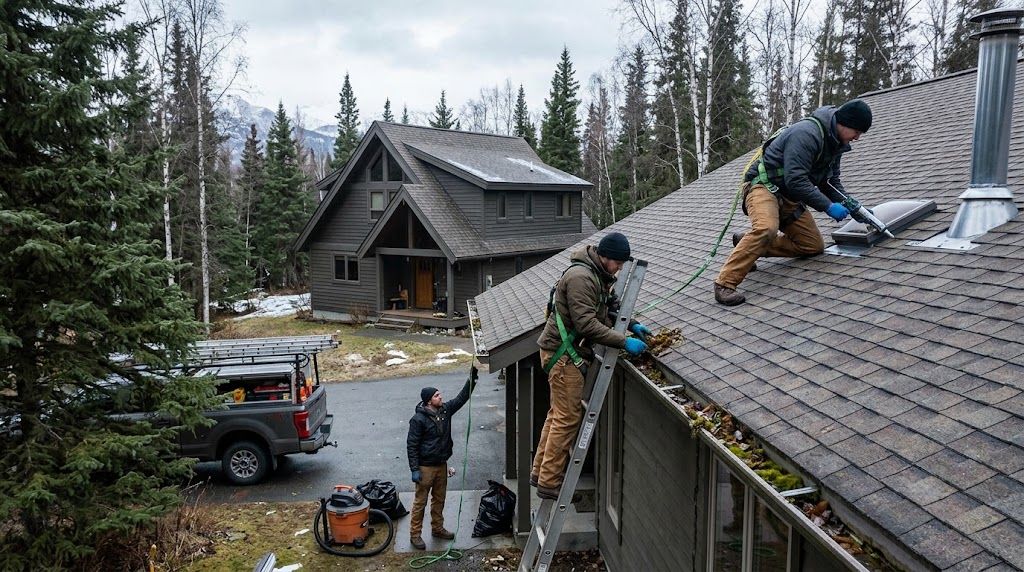
In Anchorage and throughout Southcentral Alaska, moisture is one of the biggest threats to residential roofing systems. Between heavy snowfall, freezing temperatures, ice dams, condensation, and long wet seasons, roofs in Alaska face constant exposure to moisture year-round.
Unfortunately, moisture problems often remain hidden for months — or even years — before visible signs appear inside the home. By the time homeowners notice water stains, mold odors, or attic damage, significant deterioration may already be underway beneath the roof surface.
At Alaska Shingle Solution, we regularly help homeowners throughout Anchorage, Eagle River, Wasilla, Palmer, and Girdwood identify and solve roofing moisture problems before they lead to major structural repairs.
Understanding how roof moisture develops — and how to prevent it — is one of the most important parts of protecting your home in Alaska’s climate.
Why Moisture Is Such a Serious Problem in Alaska Roofing Systems
Alaska’s environment creates ideal conditions for trapped moisture and mold growth.
Several factors contribute to ongoing roofing moisture risks:
- Heavy snow accumulation
- Freeze-thaw cycles
- Ice dam formation
- Long winter seasons
- Poor attic ventilation
- Inadequate insulation
- Limited sunlight during winter months
Homes in Eagle River, Wasilla, Palmer, and Girdwood may face even greater moisture challenges because of heavier snowfall and colder seasonal conditions.
When moisture becomes trapped inside roofing systems, it can quietly damage insulation, decking, framing, and interior surfaces over time.
How Roof Moisture Problems Begin
Many homeowners assume roof leaks are the only source of moisture problems. In reality, moisture often develops inside the attic even without obvious roof damage.
Common Sources of Roofing Moisture
- Warm indoor air escaping into the attic
- Condensation buildup
- Ice dam leaks
- Flashing failures
- Poor ventilation
- Roof penetration leaks
- Snowmelt intrusion
Once moisture becomes trapped inside the attic or roof structure, mold and rot can begin developing surprisingly quickly.
The Role of Condensation in Roof Moisture Problems
Condensation is one of the most overlooked roofing issues in Anchorage homes.
Everyday household activities generate humidity inside the home, including:
- Cooking
- Showers
- Laundry
- Heating systems
- Humidifiers
As warm air rises, it enters the attic space. During winter, this humid air contacts cold roof surfaces and condenses into water droplets.
Over Time, Condensation Can Cause
- Wet insulation
- Mold growth
- Wood rot
- Structural deterioration
- Reduced energy efficiency
Because condensation develops gradually, many homeowners do not notice the problem until mold or staining appears.
Why Poor Ventilation Leads to Mold Growth
Ventilation is one of the most important defenses against attic moisture.
Without proper airflow, warm moist air remains trapped beneath the roof deck.
Poor Ventilation Contributes To
- High attic humidity
- Frost buildup
- Ice dam formation
- Mold development
- Premature roof aging
Proper ventilation helps regulate attic temperatures and allows excess moisture to escape before damage occurs.
Common Ventilation Systems Include
- Ridge vents
- Soffit vents
- Gable vents
- Roof vents
Many older Anchorage homes benefit significantly from ventilation upgrades.
Ice Dams and Moisture Intrusion
Ice dams are one of the most common causes of winter moisture problems in Alaska homes.
As snow melts unevenly on the roof, water refreezes near colder roof edges and creates ice barriers. This trapped water backs up beneath shingles and enters the roofing system.
Ice Dam Moisture Damage Often Affects
- Roof decking
- Attic insulation
- Drywall ceilings
- Exterior walls
- Electrical systems
Recurring ice dams are usually a sign of deeper insulation or ventilation problems that should be professionally evaluated.
Signs Your Roof May Have Moisture Problems
Roof moisture problems are not always immediately visible, but several warning signs may indicate hidden issues.
Common Warning Signs Include
- Water stains on ceilings
- Mold or mildew odors
- Frost in the attic
- Damp insulation
- Peeling paint near ceilings
- Excessive icicles
- Uneven snow melt
- Visible mold growth
- Rising heating bills
If these signs are ignored, moisture damage often spreads deeper into the home’s structure.
How Mold Impacts Homes and Indoor Air Quality
Mold growth is one of the most serious consequences of long-term roofing moisture problems.
Once mold develops inside attic spaces or wall cavities, it can spread quickly throughout the home.
Mold May Cause
- Respiratory irritation
- Allergy symptoms
- Musty odors
- Insulation damage
- Wood deterioration
- Reduced indoor air quality
Some mold problems become extensive enough to require professional remediation in addition to roofing repairs.
The Connection Between Insulation and Roof Moisture
Insulation and ventilation work together to control moisture levels.
Without proper insulation, warm indoor air escapes into the attic and increases condensation risk.
Proper Insulation Helps
- Reduce heat loss
- Maintain consistent attic temperatures
- Prevent snowmelt problems
- Improve energy efficiency
- Minimize condensation buildup
Many Anchorage homes, especially older properties, benefit from attic insulation upgrades combined with improved ventilation systems.
How Roof Leaks Contribute to Moisture Damage
Not all moisture problems originate from condensation alone.
Roof leaks caused by:
- Damaged shingles
- Flashing failures
- Ice dams
- Wind damage
- Aging roofing materials
can introduce water directly into the attic and structural framing.
Small leaks often remain hidden for long periods, especially beneath insulation layers.
By the time visible ceiling stains appear, significant damage may already exist beneath the roof surface.
Why Regular Roof Inspections Matter
Routine roof inspections are one of the best ways to identify moisture problems early.
At Alaska Shingle Solution, our inspections evaluate:
- Ventilation performance
- Attic moisture conditions
- Mold risks
- Roof leaks
- Flashing integrity
- Insulation effectiveness
- Ice dam vulnerabilities
Professional inspections often identify hidden moisture issues long before homeowners notice interior symptoms.
How to Prevent Roof Moisture Problems
Preventing moisture damage requires a combination of maintenance, ventilation, insulation, and roofing care.
1. Improve Attic Ventilation
Balanced airflow helps remove excess humidity and regulate attic temperatures.
2. Upgrade Insulation
Proper insulation prevents heat from escaping into the attic and reduces condensation.
3. Schedule Annual Roof Inspections
Routine inspections identify small issues before major moisture damage develops.
4. Address Roof Repairs Promptly
Loose shingles or damaged flashing should be repaired quickly to prevent water intrusion.
5. Remove Excess Snow
Professional snow removal helps reduce ice dam formation and roof stress.
6. Keep Gutters Clear
Blocked gutters contribute to water backup and roof edge moisture problems.
Why Winter Roofing Maintenance Is So Important in Anchorage
Many homeowners focus on roof maintenance during summer, but winter is often when the most serious moisture problems develop.
Winter Conditions Increase Risks For
- Ice dams
- Condensation
- Hidden leaks
- Structural moisture buildup
Monitoring roofing conditions during winter helps homeowners catch problems before spring thaw creates larger leaks.
How Moisture Shortens Roof Lifespan
Moisture is one of the leading causes of premature roof failure in Alaska.
Over time, trapped moisture contributes to:
- Deck rot
- Shingle deterioration
- Mold growth
- Structural weakening
- Insulation damage
Even newer roofs can fail early if attic ventilation and moisture control systems are inadequate.
Commercial Roofing Moisture Problems
Commercial buildings throughout Anchorage also face serious moisture risks, especially flat or low-slope roofs.
These systems are vulnerable to:
- Ponding water
- Ice buildup
- Drainage failures
- Membrane leaks
Routine inspections are critical for commercial roofing systems exposed to Alaska weather conditions.
How Alaska Shingle Solution Helps Anchorage Homeowners
We provide roofing solutions designed specifically for Alaska’s moisture and weather challenges.
Our services include:
- Roof inspections
- Leak detection
- Ventilation evaluations
- Roof repairs
- Roof replacement
- Snow removal
- Ice dam prevention solutions
We proudly serve homeowners throughout:
- Anchorage
- Eagle River
- Wasilla
- Palmer
- Girdwood
Our team understands how Alaska weather affects roofing systems and how to prevent long-term moisture damage.
For additional information about mold prevention and attic moisture control, homeowners can visit the [U.S. Environmental Protection Agency].
FAQs About Roof Moisture Problems
Can attic moisture damage a roof even without leaks?
Yes. Condensation and trapped humidity can cause mold, rot, and structural damage even if no active roof leak exists.
Why do I have frost inside my attic?
Frost usually indicates warm moist air is entering the attic due to poor insulation or ventilation.
Can roof mold affect indoor air quality?
Yes. Mold spores can spread through ventilation systems and impact indoor air conditions.
How often should roofs be inspected for moisture problems?
At least once annually and after major winter storms or ice dam events.
Protect Your Home from Hidden Moisture Damage
Roof moisture problems often begin quietly, but over time they can lead to major structural damage, mold growth, and expensive repairs.
Alaska Shingle Solution helps homeowners throughout Anchorage, Eagle River, Wasilla, Palmer, and Girdwood protect their homes with professional inspections, ventilation improvements, roof repairs, and long-term roofing solutions designed for Alaska conditions.
Phone:
(907) 888-9805
Website:
https://alaskashinglesolution.com
OUR ROOFING SERVICES
Need Roof Help?
Protect your property with professional snow removal and ice dam prevention.
Contact Alaska Shingle Solution today.
Recent Posts