
How Snow Load Can Damage Roofs in Anchorage and What Homeowners Should Watch For
Heavy Snow Can Quietly Become a Serious Roofing Threat

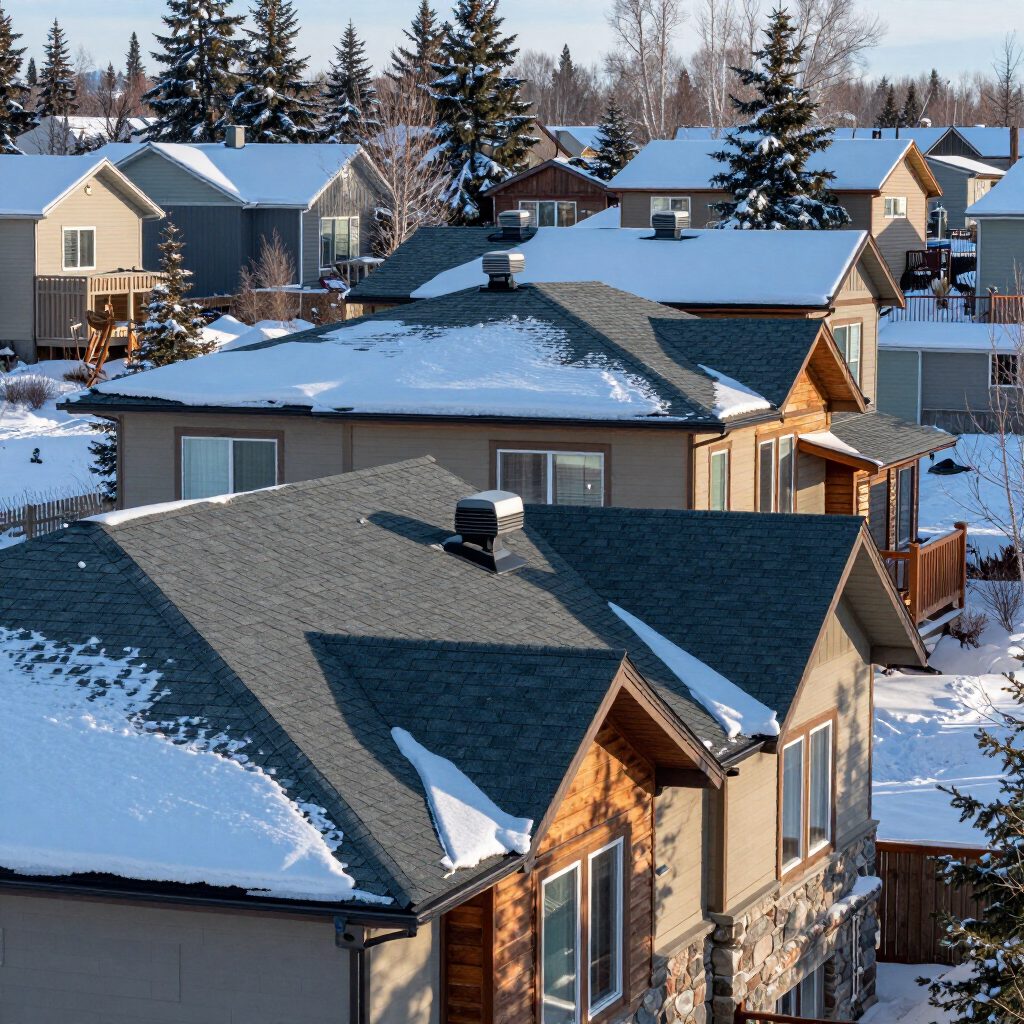
Winter in Anchorage brings beautiful snowfall, but it also creates one of the biggest structural threats to homes throughout Alaska: excessive snow load on roofs.
Many homeowners underestimate how much snow actually weighs. While a light snowfall may not seem concerning, repeated storms and compacted snow accumulation can place tens of thousands of pounds of pressure on a roof over the course of winter.
At Alaska Shingle Solution, we regularly help homeowners throughout Anchorage, Eagle River, Wasilla, Palmer, and Girdwood address roofing problems caused by excessive snow buildup. Understanding how snow load affects your roof — and recognizing early warning signs — can help prevent major structural damage and expensive emergency repairs.
What Is Snow Load?
Snow load refers to the weight of accumulated snow and ice resting on a roof structure.
The actual weight depends on several factors, including:
- Snow depth
- Moisture content
- Ice accumulation
- Roof design
- Temperature fluctuations
Fresh powder snow is relatively light, but compacted or wet snow becomes extremely heavy very quickly.
Approximate Snow Weight
| Snow Type | Estimated Weight |
|---|---|
| Fresh Dry Snow | 3–5 lbs per cubic foot |
| Packed Snow | 15–20 lbs per cubic foot |
| Wet Snow | 20+ lbs per cubic foot |
| Solid Ice | 57 lbs per cubic foot |
Over the course of an Anchorage winter, roofs can end up carrying enormous loads for extended periods.
Why Snow Load Is a Major Concern in Anchorage
Southcentral Alaska receives significant snowfall every winter, and weather conditions often create repeated freeze-thaw cycles that increase snow density and ice formation.
Several local conditions increase snow load risks:
- Prolonged snow accumulation
- Heavy late-season snowstorms
- Rain-on-snow events
- Ice buildup along roof edges
- Older roof structures
Homes in Wasilla, Palmer, Eagle River, and Girdwood frequently experience even greater snow accumulation due to elevation and regional weather patterns.
How Excessive Snow Load Damages Roofs
Heavy snow doesn’t always cause immediate collapse. In many cases, damage develops gradually over time as roofing systems endure continuous pressure.
1. Structural Sagging
As snow weight increases, rafters and roof decking may begin to sag under the pressure.
This often starts subtly but can eventually lead to:
- Uneven rooflines
- Ceiling cracks
- Framing stress
- Structural weakening
Older homes are especially vulnerable if the roof structure was not designed for modern snow load standards.
2. Roof Leaks
Heavy snow traps moisture against roofing materials for long periods.
As temperatures fluctuate, melting snow works beneath shingles and flashing, especially when combined with ice dam formation.
Leaks caused by snow load often affect:
- Attic insulation
- Drywall ceilings
- Wall cavities
- Roof decking
By the time interior stains appear, hidden moisture damage may already be extensive.
3. Ice Dam Formation
Snow accumulation contributes directly to ice dams.
As attic heat melts snow unevenly, water flows downward and refreezes near colder roof edges. This creates ice barriers that trap additional meltwater beneath shingles.
Ice dams are one of the leading causes of winter roof leaks in Anchorage homes.
4. Gutter and Fascia Damage
Heavy snow and ice place tremendous stress on gutters and roof edges.
This can cause:
- Sagging gutters
- Detached fascia boards
- Drainage failures
- Water overflow problems
Damaged gutters increase the risk of future ice dams and moisture intrusion.
5. Roofing Material Deterioration
Extended snow exposure accelerates wear on roofing materials.
Repeated freeze-thaw cycles contribute to:
- Cracked shingles
- Granule loss
- Flashing separation
- Sealant failure
Over time, this shortens overall roof lifespan significantly.
Warning Signs Your Roof May Be Under Too Much Snow Load
Many homeowners don’t recognize dangerous snow loads until major problems develop.
Common Warning Signs Include
- Sagging rooflines
- Ceiling cracks
- Sticking doors or windows
- Creaking sounds during storms
- Excessive icicle formation
- Interior water stains
- Bowing ceiling drywall
- Visible roof deflection
If you notice any of these signs during winter, professional evaluation is strongly recommended.
Flat Roofs and Low-Slope Roofs Face Higher Risk
Flat and low-slope roofing systems are especially vulnerable to snow load problems because snow does not slide off as easily as it does on steeper roofs.
Commercial buildings and some residential structures in Anchorage often require more aggressive snow management strategies because accumulation can remain in place for long periods.
Flat Roof Risks Include
- Ponding water
- Ice accumulation
- Membrane stress
- Structural overloading
Regular winter inspections are particularly important for these roofing systems.
How Roof Age Affects Snow Load Performance
Older roofs become more vulnerable to snow damage over time.
Aging roofing systems may already have:
- Weakened decking
- Moisture damage
- Compromised fasteners
- Deteriorated support framing
This means even moderate snow accumulation can become dangerous if the structure has already been weakened by years of wear.
Routine inspections help identify these vulnerabilities before winter conditions worsen them.
The Importance of Roof Snow Removal
Professional roof snow removal is one of the best ways to reduce snow load risks.
Removing excess snow helps:
- Reduce structural stress
- Minimize ice dam formation
- Improve drainage
- Prevent leaks
- Extend roof lifespan
When Snow Removal Is Recommended
Most roofs should be evaluated when snow accumulation exceeds:
- 2 feet of compacted snow
- Uneven snow distribution
- Heavy wet snow buildup
Certain homes may require earlier intervention depending on roof age, structure, and design.
Why DIY Snow Removal Can Be Dangerous
Many homeowners attempt to remove roof snow themselves without realizing the risks involved.
DIY Roof Snow Removal Risks
- Falls from icy roofs
- Damage to shingles or flashing
- Uneven snow removal causing imbalance
- Personal injury from collapsing snow or ice
Improper snow removal techniques can actually worsen roofing damage if done incorrectly.
Professional roofing crews use specialized tools and safety procedures designed to protect both the roof and the homeowner.
How Proper Ventilation Helps Reduce Snow Problems
Roof ventilation plays a major role in snow management.
Balanced attic airflow helps maintain consistent roof temperatures, reducing uneven snowmelt that contributes to ice dam formation.
Good Ventilation Helps
- Reduce attic heat buildup
- Improve moisture control
- Prevent condensation
- Minimize ice formation
Homes with poor attic ventilation often experience recurring winter roofing problems.
The Role of Insulation in Snow Load Protection
Insulation works together with ventilation to protect the roof system.
Proper attic insulation helps prevent heat from escaping into the attic and warming the roof unevenly.
Benefits of Proper Insulation
- Reduced snowmelt issues
- Lower energy costs
- Better attic temperature control
- Reduced ice dam formation
Many older Anchorage homes benefit from upgraded insulation systems combined with improved ventilation.
Preventative Roof Maintenance Before Winter
One of the best ways to prepare for snow season is through proactive maintenance.
Recommended Pre-Winter Roofing Checklist
- Schedule a professional roof inspection
- Repair loose shingles or flashing
- Clean gutters and downspouts
- Inspect attic ventilation
- Evaluate insulation performance
- Trim overhanging tree branches
These preventative steps reduce the likelihood of winter roofing emergencies.
How Alaska Shingle Solution Helps Anchorage Homeowners
We provide roofing solutions designed specifically for Alaska winters and snow conditions.
Our services include:
- Roof inspections
- Roof snow removal
- Structural evaluations
- Leak repairs
- Ice dam prevention
- Roof replacement
- Ventilation assessments
We proudly serve homeowners throughout:
- Anchorage
- Eagle River
- Wasilla
- Palmer
- Girdwood
Our team understands how snow load affects Alaska roofing systems and how to protect homes throughout the winter season.
For additional homeowner guidance regarding snow loads and winter structural safety, visit the [Federal Emergency Management Agency].
FAQs About Snow Load on Roofs
How much snow is too much for a roof?
It depends on roof design and snow density, but roofs should generally be evaluated when snow exceeds 2 feet of compacted accumulation.
Can snow cause roof collapse?
Yes. Excessive snow load can weaken structures and potentially lead to partial or complete roof collapse.
Is roof snow removal necessary every winter?
Not always, but homes with recurring heavy accumulation or ice dam issues often benefit from preventative snow removal.
What are early signs of dangerous snow load?
Sagging ceilings, creaking sounds, sticking doors, and visible roof deflection are all warning signs that should be taken seriously.
Protect Your Roof from Alaska’s Heavy Snow Conditions
Snow accumulation may seem harmless at first, but over time it can create major structural stress, leaks, and expensive roofing damage.
Alaska Shingle Solution helps homeowners throughout Anchorage, Eagle River, Wasilla, Palmer, and Girdwood stay protected with professional roof inspections, snow removal, repairs, and long-term roofing solutions built for Alaska winters.
Phone:
(907) 888-9805
Website:
https://alaskashinglesolution.com
Recent Posts