Why Proper Roof Ventilation Matters for Homes in Anchorage
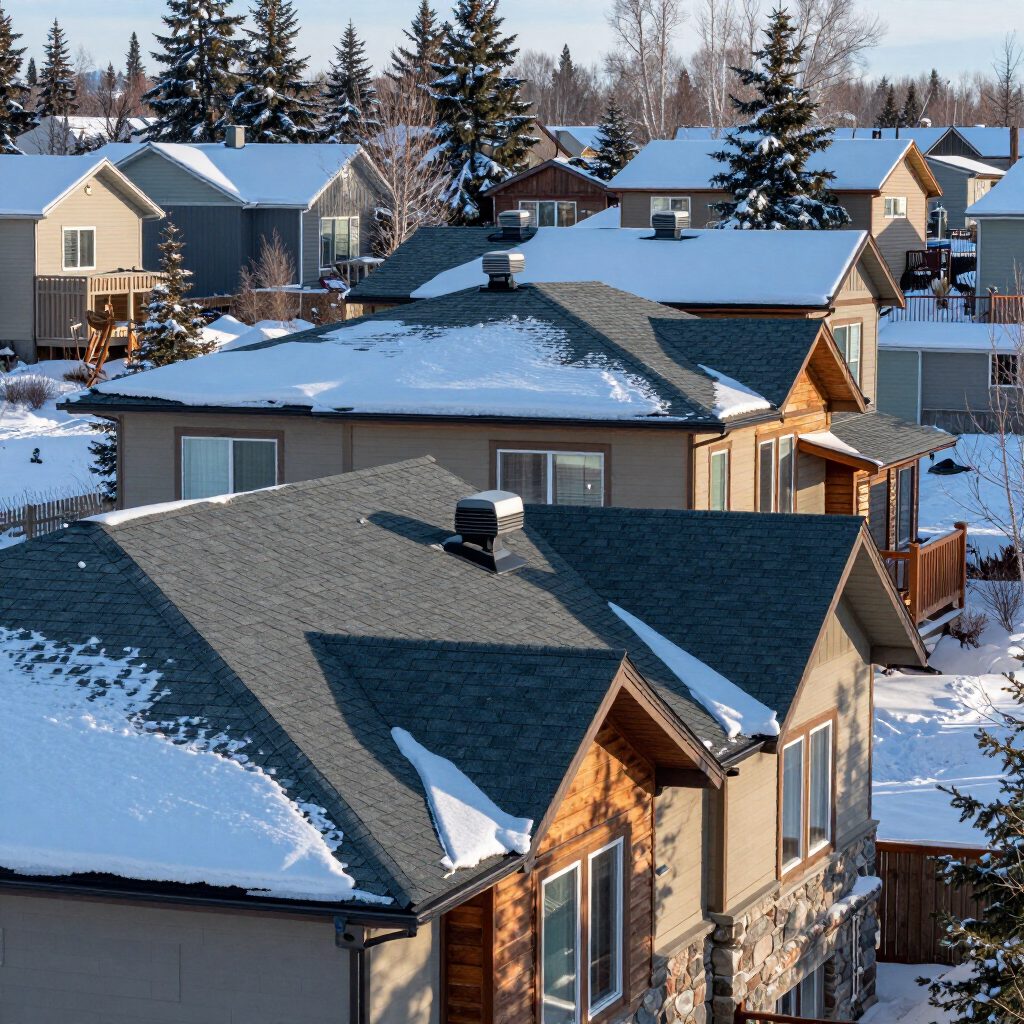
When homeowners think about roofing systems, they usually focus on shingles, flashing, or gutters. However, one of the most important components of a healthy roof is something many people never see: ventilation.
In Anchorage and throughout Southcentral Alaska, proper roof ventilation is critical for preventing moisture problems, controlling attic temperatures, reducing ice dams, and extending roof lifespan. Without adequate airflow, even a newly installed roof can develop serious issues long before its expected lifespan is reached.
At Alaska Shingle Solution, we regularly inspect homes throughout Anchorage, Eagle River, Wasilla, Palmer, and Girdwood where poor ventilation has contributed to leaks, mold, insulation damage, and premature roof failure.
Understanding how ventilation works — and why it matters in Alaska’s climate — can help homeowners avoid expensive repairs and improve the overall performance of their roofing system.
What Is Roof Ventilation?
Roof ventilation refers to the system of intake and exhaust vents that allow air to circulate through the attic space beneath the roof.
The goal is to maintain consistent attic temperatures and control moisture levels year-round.
A balanced ventilation system typically includes:
- Intake vents near the soffits or eaves
- Exhaust vents near the roof ridge or upper roofline
This continuous airflow allows cool air to enter while pushing warm, moist air out of the attic.
Why Ventilation Is Especially Important in Alaska
In Alaska’s climate, homes spend much of the year exposed to freezing temperatures and heavy snow accumulation.
Without proper ventilation, heat from inside the home rises into the attic and creates temperature imbalances across the roof surface.
This contributes to several major roofing problems common in Anchorage homes, including:
- Ice dams
- Roof leaks
- Mold growth
- Condensation buildup
- Premature shingle deterioration
- Increased heating costs
Homes in Wasilla, Palmer, and Eagle River often experience even greater ventilation challenges because of heavier snow loads and colder winter conditions.
How Poor Roof Ventilation Causes Ice Dams
Ice dams are one of the most destructive winter roofing problems in Alaska.
They form when warm attic air heats the roof surface unevenly. Snow begins melting near the upper roof areas while lower edges remain frozen.
As melted snow flows downward, it refreezes at the colder eaves and forms a ridge of ice.
Over time, this trapped water backs up beneath shingles and enters the home.
Poor Ventilation Increases Ice Dam Risk By:
- Allowing attic heat buildup
- Creating uneven roof temperatures
- Accelerating snowmelt
- Increasing condensation beneath the roof deck
Even small ventilation deficiencies can contribute to severe ice dam problems during Anchorage winters.
The Connection Between Ventilation and Moisture Control
Moisture is one of the biggest threats to any roofing system.
Everyday household activities generate humidity inside the home, including:
- Cooking
- Showering
- Laundry
- Heating systems
Without proper ventilation, this warm moist air rises into the attic where it condenses on cold surfaces during winter.
Condensation Problems Can Lead To:
- Mold growth
- Rotting roof decking
- Damp insulation
- Structural deterioration
- Poor indoor air quality
In many Anchorage homes, attic moisture problems remain hidden for years before visible damage appears.
Signs Your Roof Ventilation May Be Inadequate
Many homeowners do not realize their attic ventilation system is underperforming until problems develop.
Common Warning Signs Include:
- Large icicles forming on roof edges
- Uneven snow melting patterns
- Excessive attic heat in summer
- Mold or mildew odors
- Frost buildup inside the attic
- Persistent ice dams
- High heating bills
- Premature shingle aging
If your home experiences recurring winter roofing issues, ventilation should be professionally evaluated.
How Ventilation Affects Roof Lifespan
Proper ventilation directly impacts how long roofing materials last.
Without airflow regulation, shingles experience greater thermal stress from rapid temperature changes and trapped moisture beneath the roof deck.
Poor Ventilation Can Cause:
- Curling shingles
- Cracked shingles
- Granule loss
- Deck warping
- Sealant deterioration
A properly ventilated roof system may last several years longer than one with inadequate airflow.
For homeowners in Anchorage, maximizing roof lifespan is especially important given the cost and weather challenges associated with roof replacement projects.
The Importance of Balanced Ventilation
Effective ventilation requires balance between intake and exhaust airflow.
If a system has too much exhaust and not enough intake, negative pressure may pull conditioned air from the home into the attic.
If there is too much intake and insufficient exhaust, moisture and warm air remain trapped.
Balanced Ventilation Helps:
- Maintain consistent roof temperatures
- Reduce moisture buildup
- Improve energy efficiency
- Prevent condensation
- Protect insulation performance
Proper system design is essential for long-term roof performance in Alaska.
Types of Roof Ventilation Systems
Different homes require different ventilation solutions depending on roof design, attic size, and climate exposure.
1. Ridge Vents
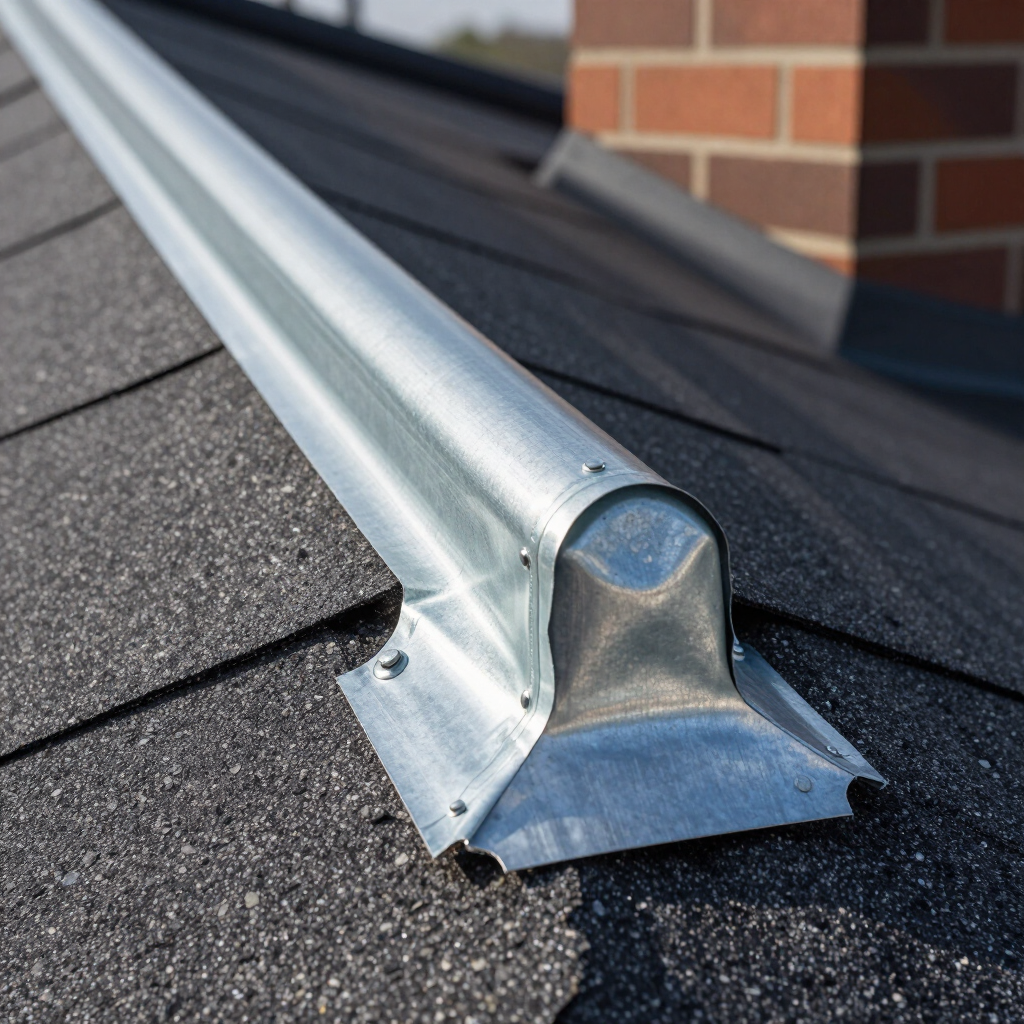
Installed along the roof peak, ridge vents allow warm attic air to escape naturally.
2. Soffit Vents
Located beneath roof overhangs, soffit vents provide cool intake airflow into the attic.
3. Gable Vents
Mounted on exterior attic walls, these vents help improve cross-ventilation.
4. Roof Louvers or Box Vents
Installed on the roof surface to allow passive airflow.
5. Powered Ventilation Systems
Electric or solar-powered attic fans help improve airflow in difficult ventilation situations.
The right system depends on your home’s specific roofing structure and insulation configuration.
Ventilation and Energy Efficiency
Proper attic ventilation also improves overall home energy performance.
During Winter
Balanced airflow reduces heat loss and helps prevent warm air from overheating the roof surface.
During Summer
Ventilation helps remove excess attic heat, reducing strain on cooling systems.
Benefits Include
- Lower utility bills
- More consistent indoor temperatures
- Reduced strain on HVAC systems
- Improved insulation performance
In Anchorage homes where heating costs can be substantial during winter, ventilation upgrades often contribute to noticeable energy savings.
How Insulation and Ventilation Work Together
Ventilation alone cannot solve all attic temperature and moisture problems.
Insulation and ventilation must work together as a complete system.
Insulation Helps By:
- Preventing indoor heat from escaping into the attic
- Reducing thermal transfer
- Improving energy efficiency
Ventilation Helps By:
- Removing excess heat and moisture
- Maintaining airflow beneath the roof deck
When one component is lacking, the entire roofing system becomes less effective.
Why Older Anchorage Homes Often Have Ventilation Problems
Many older homes throughout Anchorage and nearby communities were built before modern ventilation standards became common.
As homes are upgraded with newer windows, insulation, or heating systems, ventilation deficiencies sometimes become more noticeable.
Common Problems in Older Homes Include
- Blocked soffit vents
- Insufficient ridge ventilation
- Improper attic airflow pathways
- Inadequate insulation thickness
Professional roofing inspections can identify these hidden ventilation problems before major damage occurs.
Professional Roof Ventilation Inspections
At Alaska Shingle Solution, ventilation inspections are an important part of our roofing evaluations.
We assess:
- Intake and exhaust airflow balance
- Attic moisture conditions
- Ice dam risks
- Insulation performance
- Vent obstruction issues
- Mold or condensation signs
Our goal is to identify the underlying causes of roofing problems — not just treat the visible symptoms.
Roof Replacement Is Often the Best Time to Improve Ventilation
When replacing a roof, homeowners have an excellent opportunity to upgrade attic ventilation systems.
Modern roofing installations often include:
- Ridge vent systems
- Improved soffit airflow
- Ice and water shield protection
- Better insulation integration
These improvements significantly improve roof performance in Alaska’s climate.
How Alaska Shingle Solution Helps Anchorage Homeowners
We provide roofing solutions specifically designed for Alaska weather conditions.
Our services include:
- Roof ventilation inspections
- Attic airflow evaluations
- Roof repairs
- Roof replacement
- Ice dam prevention solutions
- Snow removal services
- Insulation and ventilation recommendations
We proudly serve homeowners throughout:
- Anchorage
- Eagle River
- Wasilla
- Palmer
- Girdwood
Our team understands how proper ventilation protects roofs from Alaska’s unique environmental challenges.
For additional information about attic ventilation and moisture control, homeowners can visit the [U.S. Department of Energy].
FAQs About Roof Ventilation in Anchorage
Can poor ventilation cause roof leaks?
Yes. Poor ventilation contributes to condensation, ice dams, and moisture buildup that eventually lead to leaks.
Do all homes need ridge vents?
Not necessarily. Ventilation systems should be customized based on roof design and attic structure.
Why do I have large icicles every winter?
Large icicles often indicate heat loss and poor attic ventilation.
Can improving ventilation lower heating bills?
Yes. Proper insulation and ventilation work together to improve energy efficiency and reduce heat loss.
Protect Your Roof with Proper Ventilation
Roof ventilation may not be visible from the street, but it plays a major role in protecting your home from leaks, ice dams, moisture damage, and premature roof failure.
Alaska Shingle Solution helps homeowners throughout Anchorage, Eagle River, Wasilla, Palmer, and Girdwood improve roof performance with professional inspections, repairs, ventilation upgrades, and complete roofing solutions designed for Alaska conditions.
Phone:
(907) 888-9805
Website:
https://www.akshinglesolution.com
OUR ROOFING SERVICES
Need Roof Help?
Protect your property with professional snow removal and ice dam prevention.
Contact Alaska Shingle Solution today.
Recent Posts