
The Most Common Causes of Roof Leaks in Anchorage Homes
Roof Leaks in Alaska Often Start Small — But Become Expensive Fast
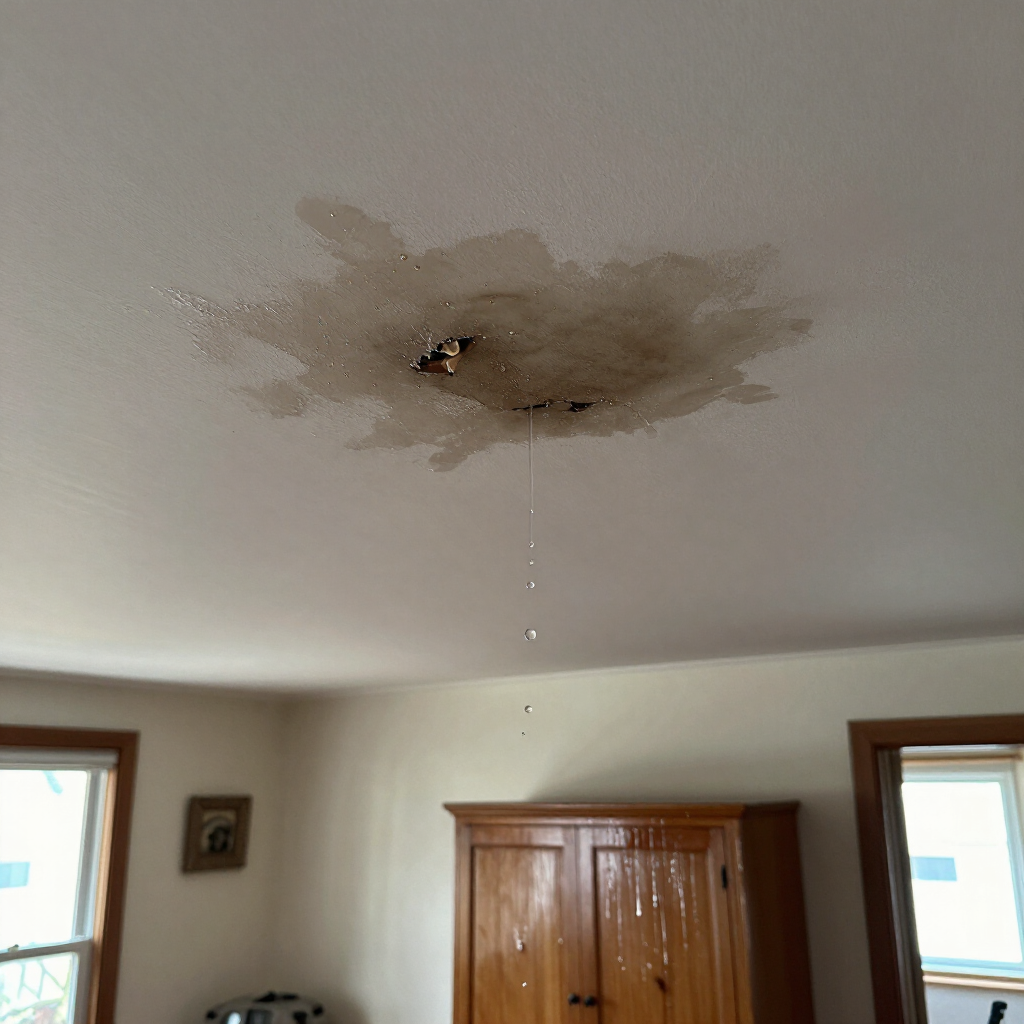
A roof leak rarely begins as a major disaster. In many Anchorage homes, leaks start as a small crack, lifted shingle, or minor flashing issue that quietly allows moisture into the roofing system. Over time, especially during Alaska’s freeze-thaw cycles, that small problem can turn into extensive structural damage.
For homeowners in
Anchorage, Eagle River, Wasilla, Palmer, and Girdwood, roof leaks are one of the most common reasons for emergency roofing calls during winter and spring. Heavy snow, wind-driven rain, ice dams, and rapid weather changes place constant stress on roofing materials throughout the year.
At
Alaska Shingle Solution, we help homeowners identify the source of leaks quickly and repair them before they cause serious damage. Understanding what causes roof leaks is the first step toward protecting your home and extending the life of your roof.
Why Roof Leaks Are So Common in Alaska
Roofs in Alaska face challenges many other climates simply do not.
Anchorage-area roofs must withstand:
- Heavy snow accumulation
- Ice dams and snowmelt
- High winds during storms
- Long freezing seasons
- Rapid freeze-thaw temperature swings
- Moisture buildup from poor attic ventilation
These conditions constantly expand and contract roofing materials, loosening seals and creating entry points for water.
Even a well-installed roof requires maintenance and inspections to stay watertight over time.
1. Damaged or Missing Shingles
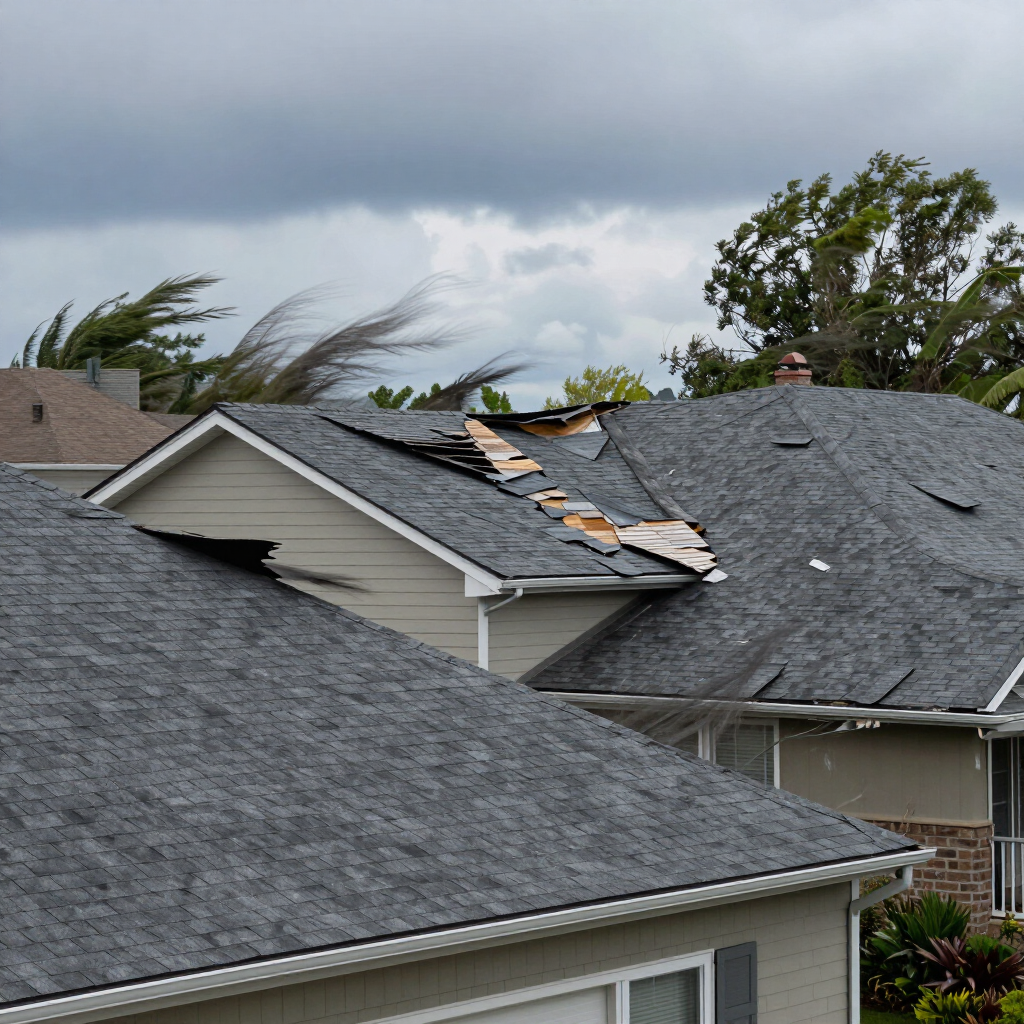
One of the most common causes of roof leaks is damaged shingles.
Asphalt shingles are designed to protect your roof from moisture, but over time, Alaska’s harsh weather can cause them to:
- Crack
- Curl
- Lift in high winds
- Lose protective granules
- Break during freeze-thaw cycles
Once shingles become compromised, water can penetrate the layers beneath and reach the roof decking.
This often begins with a minor leak but eventually leads to wood rot, insulation damage, and interior staining.
Warning Signs of Shingle Damage
- Bare spots on the roof
- Granules collecting in gutters
- Missing shingles after storms
- Dark patches or discoloration
If caught early, localized repairs may prevent the need for a full replacement.
2. Ice Dams and Snow Buildup
Ice dams are one of the leading causes of winter roof leaks in Anchorage.
They occur when attic heat melts snow unevenly. Meltwater flows toward the colder roof edge and refreezes, creating a ridge of ice that traps additional water behind it.
As water pools, it works underneath shingles and enters the home.
Ice Dams Often Lead To:
- Ceiling stains
- Wet insulation
- Mold growth
- Warped drywall
- Rotting roof decking
Homes in
Wasilla, Eagle River, and Girdwood are especially vulnerable due to heavy snow accumulation and prolonged cold periods.
Proper attic insulation, ventilation, and professional roof snow removal help reduce ice dam formation.
3. Damaged Flashing Around Roof Penetrations
Flashing is the metal material installed around chimneys, vents, skylights, and valleys to direct water away from seams and joints.
Over time, flashing can:
- Rust
- Separate from roofing materials
- Crack due to freezing temperatures
- Become loose during windstorms
Once flashing fails, water can easily enter the roof system.
Areas Most Prone to Flashing Leaks
- Chimneys
- Plumbing vents
- Roof valleys
- Skylights
- Dormers
Flashing issues are one of the most overlooked causes of leaks because the damage is often hidden until interior water stains appear.
4. Clogged Gutters and Poor Drainage
Gutters play a major role in protecting your roof from water intrusion.
When gutters become clogged with leaves, ice, or debris, melting snow and rainwater cannot drain properly. Water backs up beneath shingles and around roof edges, increasing leak risk.
During Anchorage winters, clogged gutters frequently contribute to:
- Ice dam formation
- Overflowing water
- Fascia board damage
- Foundation drainage problems
Signs Your Gutters May Be Causing Leaks
- Icicles forming along gutters
- Water spilling over edges
- Sagging gutters
- Staining near soffits or fascia boards
Cleaning gutters before winter is one of the simplest ways to prevent roof leaks.
5. Poor Attic Ventilation
Many homeowners are surprised to learn that attic ventilation directly affects roof performance.
Without proper airflow, warm air becomes trapped inside the attic. This causes uneven roof temperatures, condensation, and accelerated ice dam formation.
Poor ventilation can also lead to moisture buildup inside the attic itself, causing:
- Mold growth
- Damp insulation
- Wood rot
- Structural deterioration
Common Signs of Poor Ventilation
- Frost inside the attic
- Excessive attic heat in summer
- Mold near vents
- Uneven snow melt on the roof
A properly ventilated attic helps regulate temperature and moisture year-round.
6. Aging Roofing Materials
Every roof eventually reaches the end of its lifespan.
In Anchorage’s climate, asphalt roofs generally last between
18–25 years, depending on maintenance and installation quality.
As roofing materials age, they become more vulnerable to:
- Cracking
- Granule loss
- Sealant failure
- Wind uplift
- Water penetration
Older roofs are especially susceptible to leaks during spring thaw periods when melting snow exposes hidden weaknesses.
Signs Your Roof May Be Aging Out
- Frequent repairs
- Curling shingles
- Visible sagging
- Persistent leaks
- Excessive granule loss
If your roof is nearing the end of its expected lifespan, replacement may be more cost-effective than ongoing repairs.
7. Roof Valley Failures
Roof valleys are the areas where two roof slopes meet. These sections handle a tremendous amount of water runoff and snowmelt.
If valleys are improperly sealed or become damaged over time, leaks can develop quickly.
Valley leaks are particularly dangerous because water can travel far from the original entry point before becoming visible indoors.
Professional inspections are critical for identifying hidden valley damage before it worsens.
8. Improper Roof Installation
Even the best roofing materials will fail if installed incorrectly.
Unfortunately, poor workmanship is a common reason for premature roof leaks. Problems often include:
- Improper nail placement
- Inadequate underlayment
- Incorrect flashing installation
- Poor ventilation design
- Low-quality materials
In Alaska’s climate, installation quality matters more than almost anywhere else in the country.
That’s why homeowners should always choose experienced local roofing contractors familiar with Anchorage weather conditions and building standards.
How to Prevent Roof Leaks in Anchorage
The good news is that most roof leaks are preventable with proactive maintenance and regular inspections.
Recommended Roof Maintenance Checklist
- Schedule annual roof inspections
- Remove snow buildup during winter
- Keep gutters clean and draining properly
- Repair damaged shingles immediately
- Check attic ventilation and insulation
- Inspect flashing around chimneys and vents
These steps help identify small issues before they become expensive emergencies.
The Importance of Early Leak Detection
Many leaks remain hidden for months before homeowners notice visible water damage.
Unfortunately, by the time ceiling stains appear, moisture may have already affected:
- Insulation
- Roof decking
- Framing
- Electrical systems
- Interior drywall
Early detection reduces repair costs significantly and helps preserve the integrity of your home.
Professional Roof Leak Inspections Matter
At Alaska Shingle Solution, we provide detailed roof inspections designed specifically for Alaska homes.
Our inspections evaluate:
- Roofing materials and wear
- Flashing condition
- Attic ventilation
- Ice dam risks
- Structural integrity
- Signs of moisture intrusion
We help homeowners throughout
Anchorage, Eagle River, Wasilla, Palmer, and Girdwood identify roofing problems before they escalate into major repairs.
FAQs About Roof Leaks in Anchorage
Why does my roof leak only during snowmelt?
Snowmelt often reveals hidden weaknesses caused by ice dams, flashing problems, or poor attic ventilation.
Can a small roof leak become serious?
Yes. Even minor leaks can cause mold growth, insulation damage, and structural rot if ignored.
How often should roofs be inspected in Alaska?
At least once per year and after major storms or heavy snow events.
Are roof leaks covered by insurance?
Coverage depends on the cause of the leak and your policy terms. Sudden storm damage is often covered, while neglected maintenance issues may not be.
Protect Your Home with Expert Roofing Services
Roof leaks rarely fix themselves — and in Alaska’s climate, delays can quickly turn minor repairs into major restoration projects.
Whether you need leak repairs, snow removal, roof replacement, or a professional inspection,
Alaska Shingle Solution provides reliable roofing services throughout
Anchorage, Eagle River, Wasilla, Palmer, and Girdwood.
Phone:
(907) 888-9805
Website:
https://www.akshinglesolution.com/contact
Recent Posts