
What Anchorage Homeowners Should Know About Wind Damage to Roofs
Wind Damage Can Weaken a Roof Long Before You Notice a Leak
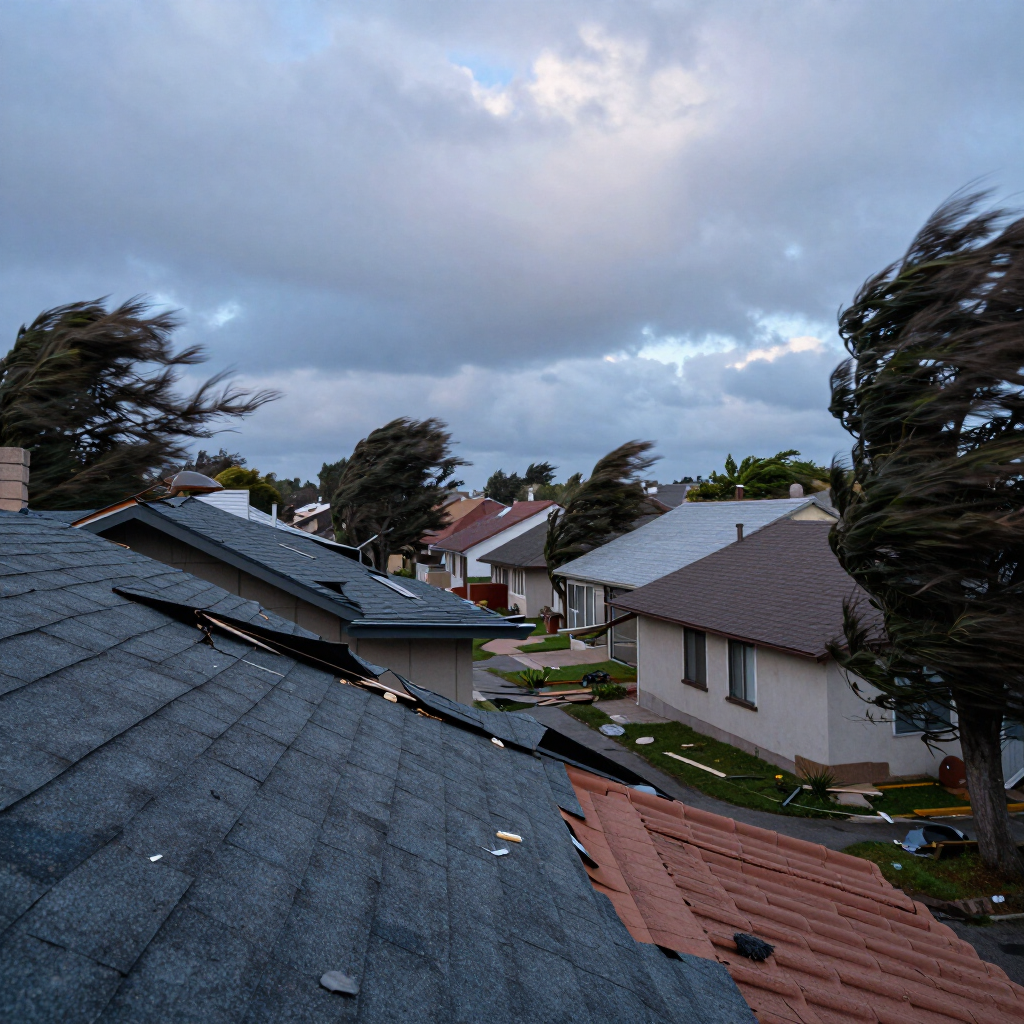
At Alaska Shingle Solution, we help homeWhen most homeowners think about roofing damage in Alaska, they usually picture snow and ice. While winter weather certainly causes major roofing problems, strong winds are another serious threat to homes throughout Anchorage and Southcentral Alaska.
High winds can loosen shingles, damage flashing, expose underlayment, and create vulnerabilities that eventually lead to leaks and structural deterioration. Unfortunately, wind damage is often difficult to spot from the ground, which means problems may continue developing for months before becoming visible inside the home.
owners across Anchorage, Eagle River, Wasilla, Palmer, and Girdwood identify and repair wind-related roofing damage before it turns into expensive repairs. Understanding how wind affects your roof is essential for protecting your home in Alaska’s unpredictable climate.
Why Wind Damage Is Common in Anchorage
Anchorage experiences powerful seasonal winds throughout the year, especially during fall and winter storms.
Several factors make local roofs particularly vulnerable:
- Open terrain and hillside exposure
- Freeze-thaw cycles weakening roofing materials
- Heavy snow adding stress to roofing systems
- Sudden wind gusts during winter storms
- Aging shingles losing flexibility over time
Areas like Eagle River, Palmer, and Girdwood may experience even stronger localized wind conditions depending on elevation and terrain exposure.
Even roofs that appear structurally sound can suffer hidden wind-related damage after severe storms.
How Wind Actually Damages Roofs
Wind affects roofs in multiple ways — not just by ripping shingles completely off the house.
Uplift Pressure
As wind flows over the roof surface, it creates upward pressure that pulls shingles away from the roof deck.
This can:
- Break adhesive seals
- Loosen nails
- Create gaps beneath shingles
- Allow moisture intrusion
Edge and Corner Stress
Roof edges and corners experience the highest wind pressure. These areas are usually the first to show damage during storms.
Debris Impact
Strong winds can also send branches, ice, or debris into roofing materials, puncturing shingles or damaging flashing.
Repeated Wind Exposure
Even moderate winds gradually weaken roofing systems over time by loosening shingles and stressing seams repeatedly.
The Most Common Types of Wind Damage
Wind damage can vary from minor cosmetic issues to major structural concerns.
1. Missing Shingles
This is the most obvious form of wind damage. Missing shingles expose underlayment and decking directly to moisture.
Once exposed, roofs become vulnerable to:
- Water infiltration
- Ice dam damage
- Deck rot
- Mold growth
Even one missing shingle can create a pathway for serious water damage during Alaska’s snowmelt season.
2. Lifted or Creased Shingles
Sometimes shingles remain attached but become partially lifted by wind.
Lifted shingles often develop creases where the material bends under pressure. Once creased, shingles lose their ability to properly seal against moisture.
This type of damage is easy to miss from the ground but often leads to future leaks.
3. Granule Loss
Asphalt shingles rely on protective granules to shield them from UV exposure and weather deterioration.
Strong winds can accelerate granule loss, especially on older roofs.
Signs of Granule Loss
- Bald patches on shingles
- Granules collecting in gutters
- Uneven roof coloration
Without granules, shingles deteriorate much faster and become more vulnerable to cracking and leaks.
4. Flashing Damage
Wind frequently loosens flashing around vulnerable roof areas such as:
- Chimneys
- Skylights
- Plumbing vents
- Roof valleys
Once flashing separates, water can enter beneath roofing materials during storms or snowmelt.
5. Gutter and Fascia Damage
Strong winds combined with ice or heavy snow can damage gutters and fascia boards.
Loose gutters often create drainage problems that contribute to:
- Ice dams
- Roof edge leaks
- Foundation water issues
Why Wind Damage Often Goes Undetected
One of the biggest dangers of wind damage is that it frequently appears minor at first.
Homeowners may not notice problems because:
- Damage occurs on upper roof slopes
- Lifted shingles reseal temporarily
- Leaks develop slowly over time
- Underlayment hides early moisture intrusion
In many cases, homeowners only discover wind damage months later after interior water stains appear.
This is why post-storm roof inspections are so important in Anchorage.
Signs Your Roof May Have Wind Damage
Even if shingles are still attached, certain warning signs may indicate storm-related roof problems.
Exterior Signs
- Missing shingles
- Curled or lifted shingles
- Damaged flashing
- Debris on the roof
- Sagging gutters
- Granules in gutters or downspouts
Interior Signs
- Ceiling stains
- Drafts near attic spaces
- Moisture in the attic
- Mold or mildew smells
- Rising heating costs
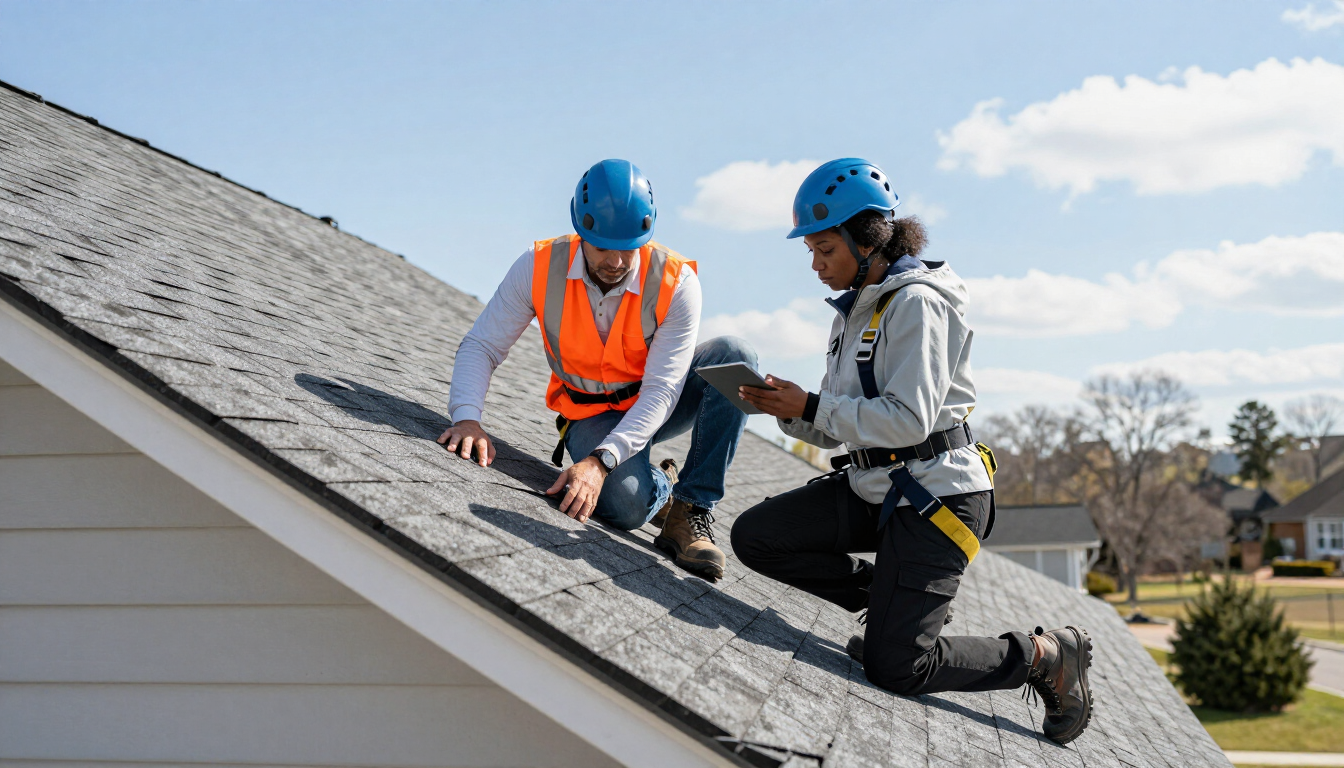
After major windstorms, it’s always smart to schedule a professional roof inspection — even if no immediate leaks are visible.
How Wind Damage Leads to Bigger Roofing Problems
Small wind-related issues often trigger much larger problems over time.
Moisture Intrusion
Lifted shingles allow water beneath the roofing system.
Freeze-Thaw Expansion
Moisture trapped beneath roofing materials expands during freezing temperatures, widening cracks and gaps.
Insulation Damage
Leaks saturate attic insulation, reducing energy efficiency and increasing heating costs.
Mold Growth
Hidden moisture creates ideal conditions for mold and mildew.
Structural Deterioration
Over time, water intrusion weakens decking, rafters, and support structures.
What starts as a few loose shingles can eventually require major roof repairs or full replacement if left untreated.
The Importance of Professional Wind Damage Inspections
Professional roofing inspections identify problems homeowners often miss themselves.
At Alaska Shingle Solution, our inspections evaluate:
- Shingle adhesion and integrity
- Hidden lifting or creasing
- Flashing security
- Underlayment exposure
- Moisture intrusion risks
- Structural stability
We also assess whether wind damage may qualify for insurance coverage.
Can Wind Damage Be Covered by Insurance?
In many cases, yes.
Homeowners insurance policies often cover sudden storm-related roofing damage caused by:
- High winds
- Fallen debris
- Storm impact
However, insurance companies usually require documentation proving the damage resulted from a covered event rather than long-term neglect.
This is another reason prompt inspections matter after major storms.
Helpful Documentation Includes
- Inspection reports
- Photos of damage
- Storm dates
- Repair estimates
How to Protect Your Roof from Wind Damage
While no roof is completely immune to severe storms, several steps help reduce risk significantly.
1. Schedule Regular Roof Inspections
Routine inspections catch weak areas before storms worsen them.
2. Replace Aging Roofing Materials
Older shingles become brittle and more susceptible to uplift.
3. Trim Overhanging Trees
Branches can become dangerous projectiles during high winds.
4. Reinforce Flashing and Roof Edges
Secure flashing helps prevent moisture intrusion during storms.
5. Upgrade Roofing Materials
Architectural shingles and metal roofing systems generally perform better in high winds than basic 3-tab shingles.
Roofing Materials Matter in Alaska Wind Conditions
Certain roofing systems are better suited for Anchorage’s climate and wind exposure.
Architectural Asphalt Shingles
- Better wind ratings
- Improved durability
- Stronger adhesive sealing
Metal Roofing
- Excellent wind resistance
- Long lifespan
- Minimal maintenance
Proper Installation Is Critical
Even premium materials can fail if installed improperly.
Roofing systems designed for Alaska conditions should include:
- High-quality underlayment
- Ice and water shield protection
- Correct nail placement
- Adequate ventilation systems
How Alaska Shingle Solution Helps Anchorage Homeowners
We provide comprehensive roofing services tailored specifically for Alaska’s harsh weather conditions.
Our services include:
- Wind damage inspections
- Emergency roof repairs
- Roof replacements
- Flashing repairs
- Snow and ice management
- Preventative maintenance
We proudly serve homeowners throughout:
- Anchorage
- Eagle River
- Wasilla
- Palmer
- Girdwood
Our local experience allows us to identify roofing vulnerabilities unique to Alaska homes and weather conditions.
For additional information about severe weather preparedness, homeowners can visit the [National Weather Service – https://www.weather.gov/].
FAQs About Wind Damage to Roofs
Can wind damage shingles without removing them?
Yes. Wind often loosens or creases shingles without tearing them off completely.
How strong do winds need to be to damage a roof?
Damage can begin with gusts as low as 45–50 mph depending on roof age and material condition.
Should I inspect my roof after every major storm?
Yes. Even if no leaks are visible, hidden damage may exist beneath the surface.
Are older roofs more vulnerable to wind damage?
Absolutely. Aging shingles lose flexibility and adhesive strength over time.
Protect Your Roof Before the Next Alaska Storm
Wind damage often starts small — but without attention, it can lead to major leaks, structural problems, and expensive repairs.
Alaska Shingle Solution provides trusted roofing inspections, repairs, and replacement services for homeowners throughout Anchorage, Eagle River, Wasilla, Palmer, and Girdwood.
Our team understands what Alaska roofs endure and how to keep them protected year-round.
Phone:
(907) 888-9805
Website:
https://www.akshinglesolution.com
Recent Posts