Why Roof Leaks Happen During Snowmelt in Anchorage (and How to Stop Them)
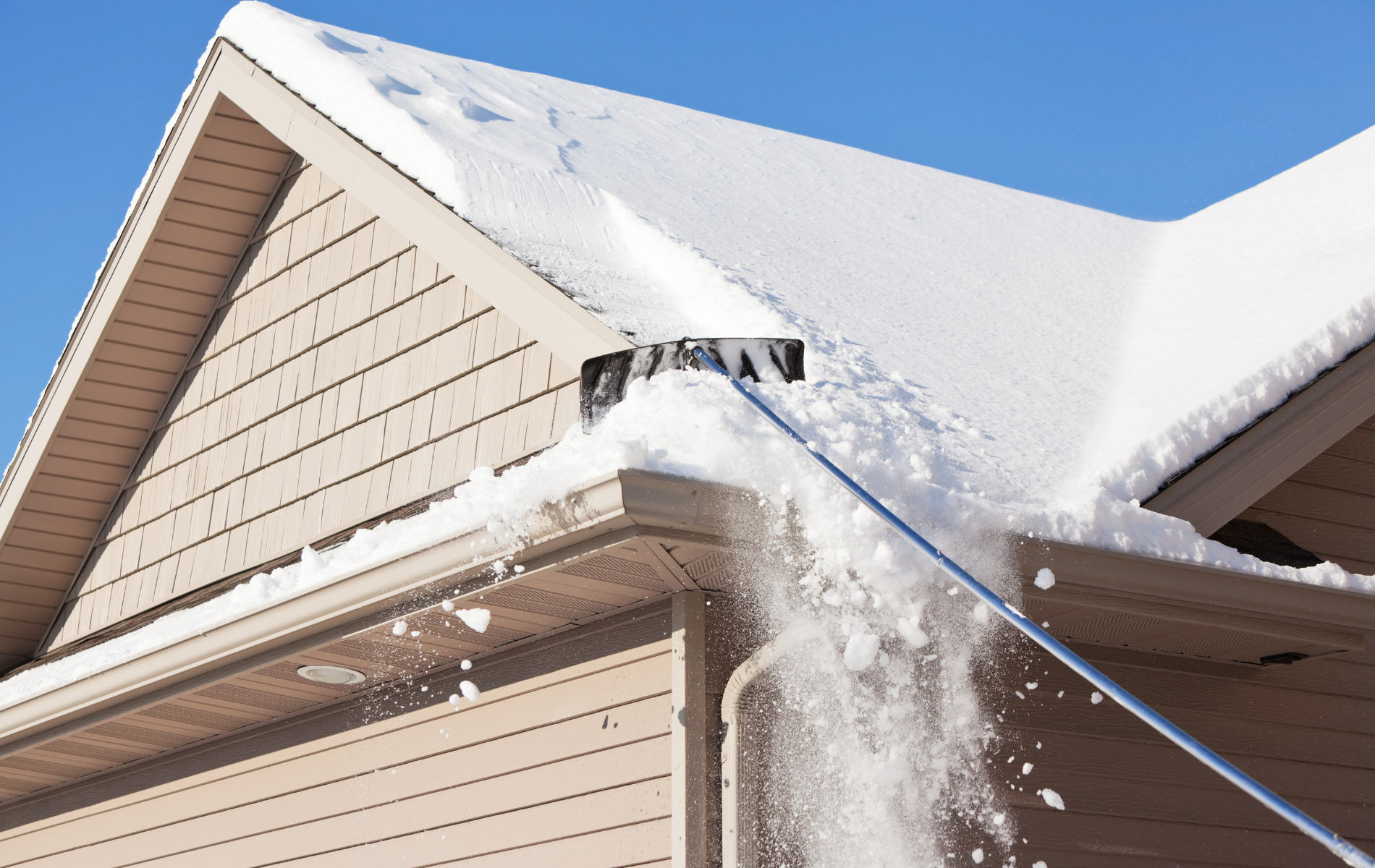
Melting Snow Can Mean Big Trouble for Anchorage Roofs
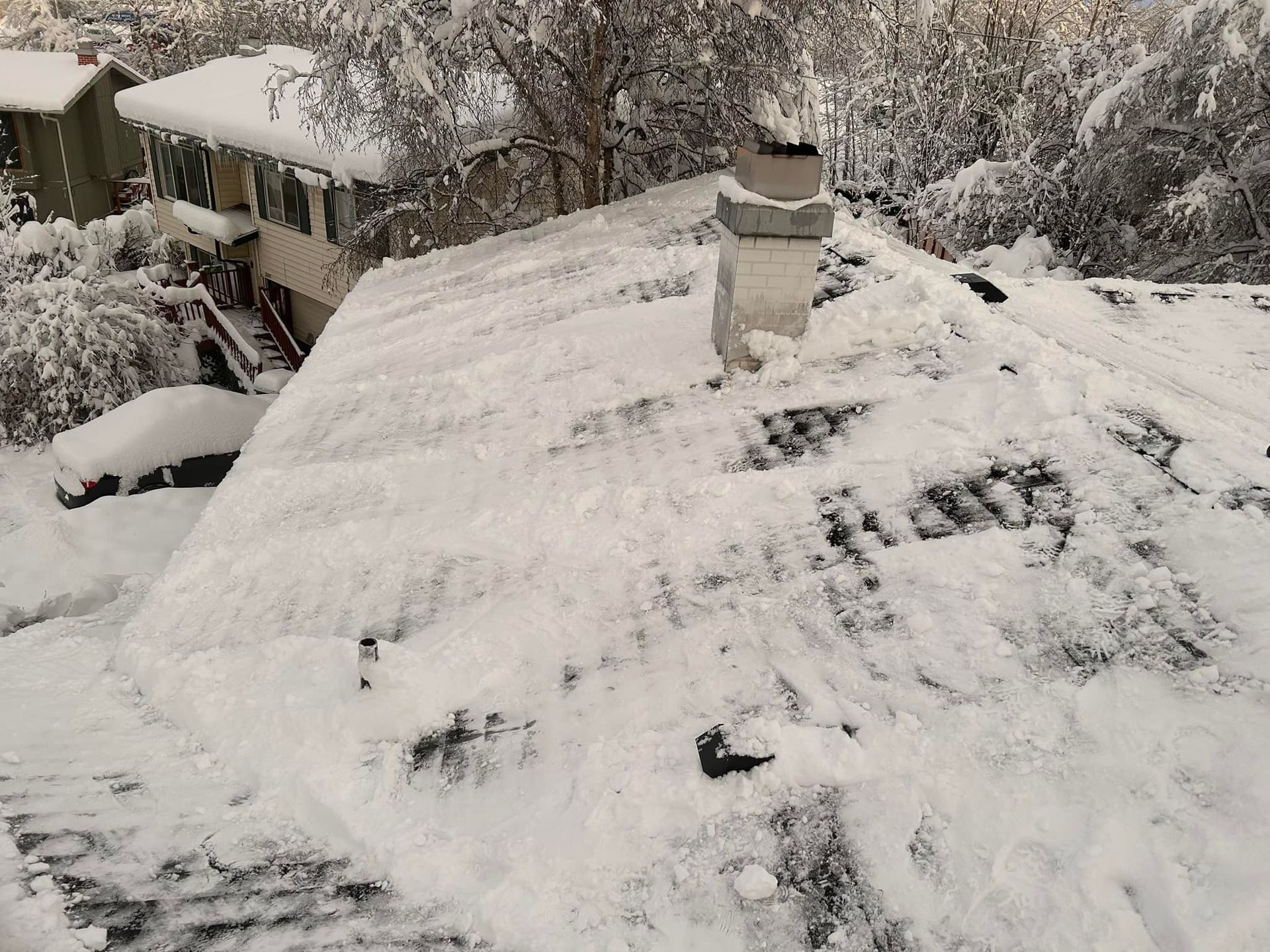
When snow starts melting in Anchorage, it’s a sign that spring is on its way — but for many homeowners, it’s also the start of roof leak season. After months of freezing temperatures, packed snow, and ice buildup, thawing can reveal hidden roof damage that’s been developing all winter long.
At Alaska Shingle Solution, we help homeowners across Anchorage, Eagle River, Wasilla, Palmer, and Girdwood identify, repair, and prevent roof leaks caused by Alaska’s challenging freeze-thaw cycles. Understanding why snowmelt leaks happen is the first step in protecting your home from costly water damage.
1. Ice Dams Are Blocking Proper Drainage
One of the most common causes of roof leaks in Anchorage is ice dam formation. Ice dams occur when warm air from your attic melts snow on the roof, causing water to flow down toward the eaves. When it reaches the colder edges of the roof, it refreezes, creating a thick ridge of ice that prevents further drainage.
As more snow melts behind the dam, water pools and seeps under shingles, eventually leaking into the attic or interior walls.
How to Stop It:
- Make sure your attic is properly insulated and ventilated.
- Keep roof edges and gutters clear of ice.
- Have a professional roofer install
ice and water shield membranes under your shingles to prevent seepage.
- Consider professional
ice dam removal services after major snowstorms.
2. Clogged Gutters Prevent Water Flow
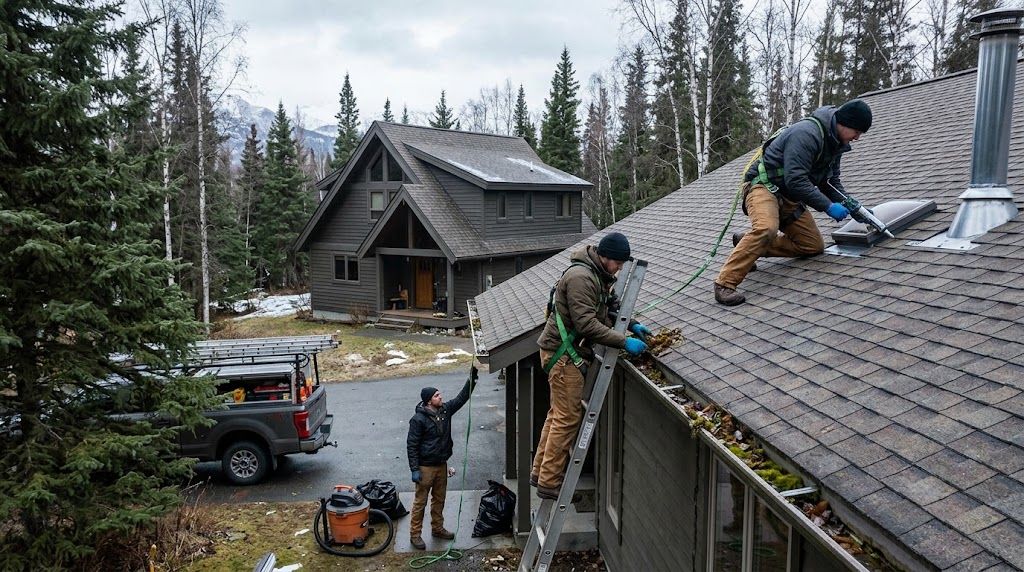
When gutters are clogged with leaves, debris, or compacted snow, they can’t effectively direct melting water away from your roof. As water backs up, it can flow under shingles or over fascia boards, leading to leaks inside your home.
Anchorage homeowners often overlook gutter maintenance in winter, but keeping them clear is essential for preventing spring leaks.
Pro Tip: Schedule a professional gutter cleaning and inspection each fall to ensure snowmelt has a clear path to drain away from your home’s foundation.
3. Damaged or Missing Shingles from Winter Storms
Strong Alaskan winds and snow loads can easily loosen or tear away shingles during the winter. When temperatures rise, melted snow finds its way through these gaps, leading to slow leaks that may go unnoticed until they’ve caused significant water damage.
What to Do:
If you spot missing or cracked shingles — or dark patches where granules have worn away — it’s time for a professional roof repair. Even a small exposed section can allow gallons of water to penetrate your roof deck over the course of a few weeks.
4. Flashing and Sealant Failures Around Vents and Chimneys
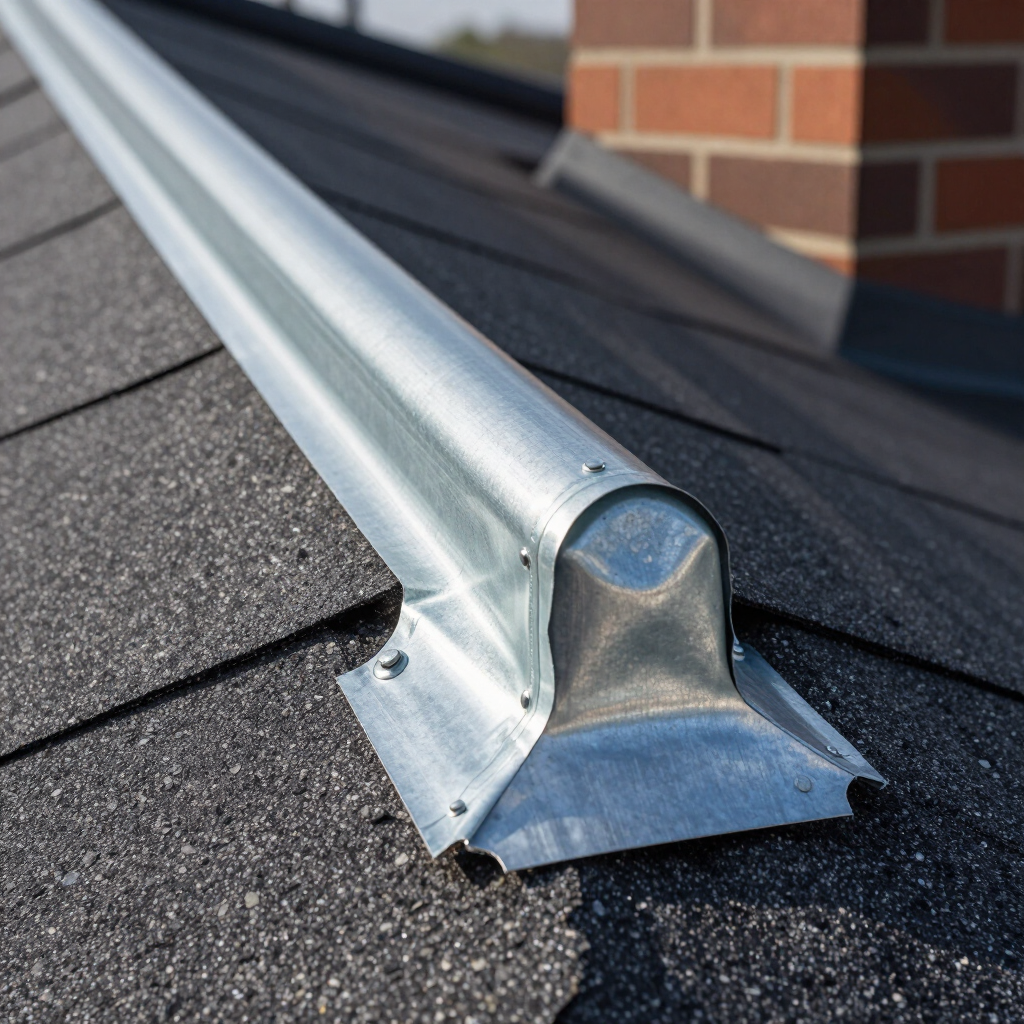
Flashing is designed to seal joints and prevent water from entering your home where the roof meets chimneys, skylights, and vent pipes. However, repeated freezing and thawing in Anchorage can cause the metal to expand and contract, loosening sealants or warping the material.
Once this happens, melted snow can seep directly into your attic or interior walls.
Solution:
Have your flashing inspected and resealed before spring. During a snowmelt inspection,
Alaska Shingle Solution checks all flashing points and replaces any cracked sealant or corroded metal.
5. Poor Attic Ventilation and Insulation
Many Anchorage homes experience leaks because their attics trap warm air. This not only contributes to ice dams but also causes condensation inside the attic when warm air meets cold roof surfaces.
That moisture buildup can drip down onto insulation or drywall, creating the illusion of a roof leak even when the roofing surface is intact.
Preventive Steps:
- Add insulation to maintain a consistent roof temperature.
- Install ridge and soffit vents to balance airflow.
- Keep attic humidity levels low with proper ventilation.
For guidance on insulation and ventilation standards in cold climates, refer to the [U.S. Department of Energy’s Guide to Attic Ventilation – https://www.energy.gov/].
6. Hidden Damage Beneath the Snow
Sometimes, roof damage isn’t visible until the snow begins to melt. Heavy snow and ice can stress shingles, flashing, and fasteners, causing small cracks or separations that aren’t obvious until water starts dripping inside.
Scheduling a post-winter roof inspection ensures you catch these problems early. The experts at Alaska Shingle Solution use moisture meters and detailed inspections to find the source of leaks before they worsen.
How to Prevent Roof Leaks During Anchorage’s Snowmelt Season
Preventing leaks starts with preparation. A few proactive steps each year can save thousands in repair costs.
Schedule Routine Inspections
Have your roof inspected at least once a year — ideally in the fall before snowfall and again in spring after thawing.
Keep Roofs and Gutters Clear
Remove snow buildup after heavy storms, especially near valleys and eaves where melting water collects.
Invest in Ice and Water Shield Membranes
These underlayment materials create an added waterproof barrier beneath shingles, protecting high-risk areas from seepage.
Seal and Repair Early
Don’t ignore small leaks or moisture stains. Early repairs are far more affordable than structural water restoration.
The Cost of Roof Leak Repairs in Anchorage
Roof leak repair costs depend on the source and extent of damage. Most minor leak fixes in Anchorage range from $350 to $1,200, while more complex ice dam or flashing issues may cost more.
However, neglecting a roof leak can lead to interior damage that costs several thousand dollars to fix. Taking preventive action before snowmelt saves both time and money.
FAQs: Roof Leaks During Snowmelt in Anchorage
Q1: Why does my roof leak only when snow melts, not when it rains?
Snowmelt leaks occur when trapped ice or snow refreezes and blocks drainage paths, forcing water under shingles instead of off the roof.
Q2: Can roof leaks be repaired during winter?
Yes, but depending on temperature and weather, some repairs may need temporary patches until full sealing is possible in spring.
Q3: Will homeowner’s insurance cover snowmelt-related leaks?
Many policies do, but it depends on the cause. Ice dam or maintenance-related issues may not be covered. Always check your policy.
Q4: How can I tell where my roof is leaking?
Water often travels along rafters before appearing inside. A professional inspection is the most reliable way to locate the source.
Protect Your Home Before Snowmelt Season Begins
The sooner you address small roof issues, the more you’ll save in repairs and water damage. Whether you’re seeing ceiling stains, attic moisture, or exterior ice dams, Alaska Shingle Solution provides prompt, professional roof repair throughout Anchorage, Eagle River, Wasilla, Palmer, and Girdwood.
Call (907) 888-9805 or schedule a free roof inspection online at https://alaskashinglesolution.com/contact/.
Ensure your roof is ready for the next melt — and your home stays warm, dry, and protected year-round.
OUR ROOFING SERVICES
Need Roof Help?
Protect your property with professional snow removal and ice dam prevention.
Contact Alaska Shingle Solution today.
Recent Posts