Why Roof Inspections Are Essential After Anchorage Winter Storms
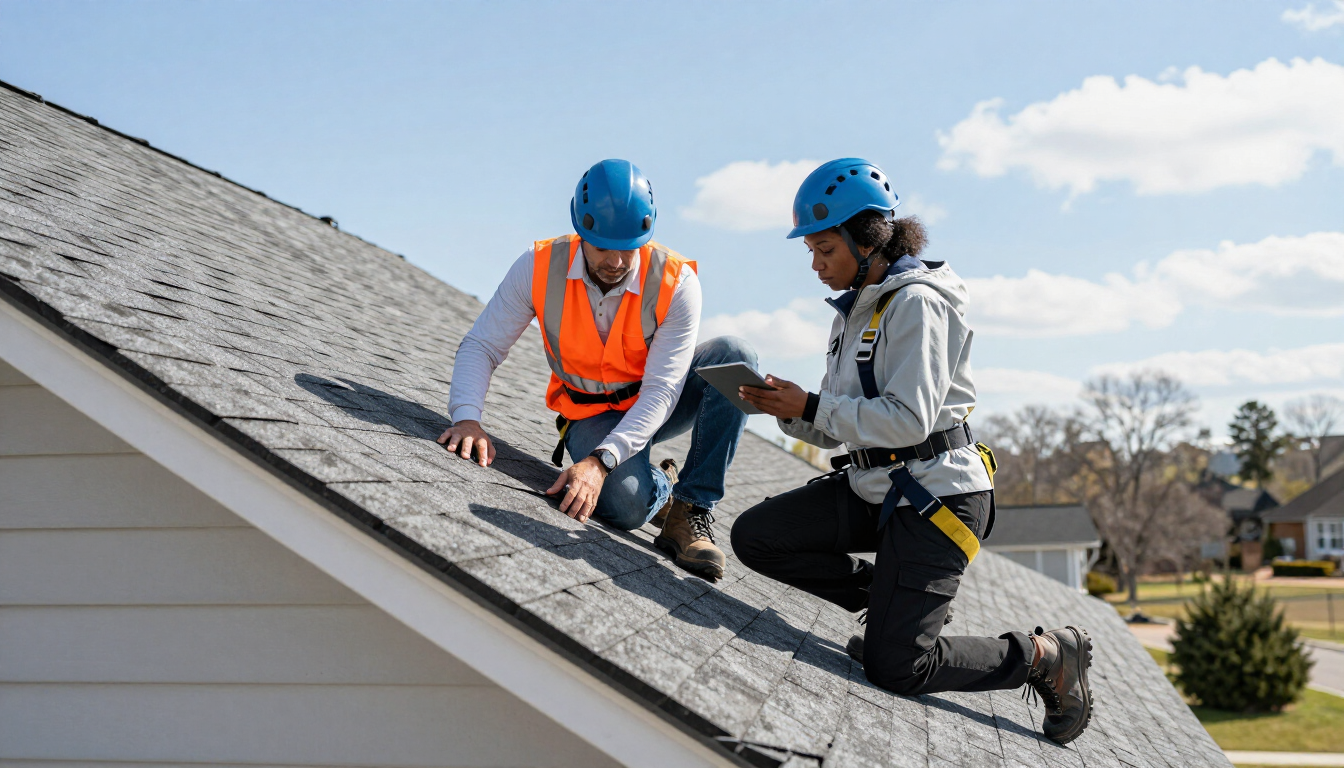
Anchorage winters are tough on roofs. Between heavy snow accumulation, freezing rain, high winds, and repeated freeze-thaw cycles, roofing systems across Southcentral Alaska take a beating every year.
The problem is that storm damage often develops quietly. Many homeowners don’t realize their roof has been compromised until spring snowmelt reveals leaks, attic moisture, or visible interior damage.
That’s why professional roof inspections after winter storms are so important. At Alaska Shingle Solution, we help homeowners throughout Anchorage, Eagle River, Wasilla, Palmer, and Girdwood identify hidden storm damage before it turns into expensive structural problems.
A post-winter inspection is one of the smartest investments a homeowner can make in Alaska’s climate.
Why Anchorage Roofs Experience More Storm Stress Than Most Homes
Roofs in Alaska deal with conditions that most roofing systems in the Lower 48 rarely encounter.
Winter storms in Anchorage often combine:
- Heavy snow loads
- Wind-driven moisture
- Ice accumulation
- Rapid temperature fluctuations
- Extended freezing periods
Over time, these conditions wear down shingles, flashing, sealants, gutters, and even structural components beneath the roofing surface.
Even newer roofs can develop vulnerabilities after severe winters.
What Happens to Roofs During Winter Storms
Many homeowners assume roofs are only damaged during obvious events like fallen trees or windstorms. In reality, winter damage is often gradual and cumulative.
Freeze-Thaw Expansion
As snow melts and refreezes repeatedly, water expands inside small cracks and seams. This slowly widens gaps and weakens roofing materials.
Snow Load Pressure
Packed snow becomes extremely heavy. Over time, this weight stresses decking, rafters, and roof supports.
Ice Dam Formation
Ice dams trap water beneath shingles and create hidden moisture intrusion.
Wind Damage
Strong winter winds can lift shingles, loosen flashing, and expose underlayment.
Condensation Problems
Poor attic ventilation causes moisture buildup beneath the roof system during long cold periods.
Many of these issues are impossible to identify without a professional inspection.
The Most Common Problems Found During Post-Winter Roof Inspections
At Alaska Shingle Solution, we frequently discover hidden damage after winter storms that homeowners never noticed themselves.
1. Missing or Lifted Shingles
Strong winds and ice expansion often loosen shingles during winter.
Even a single lifted shingle can allow moisture beneath the roofing system during spring thaw.
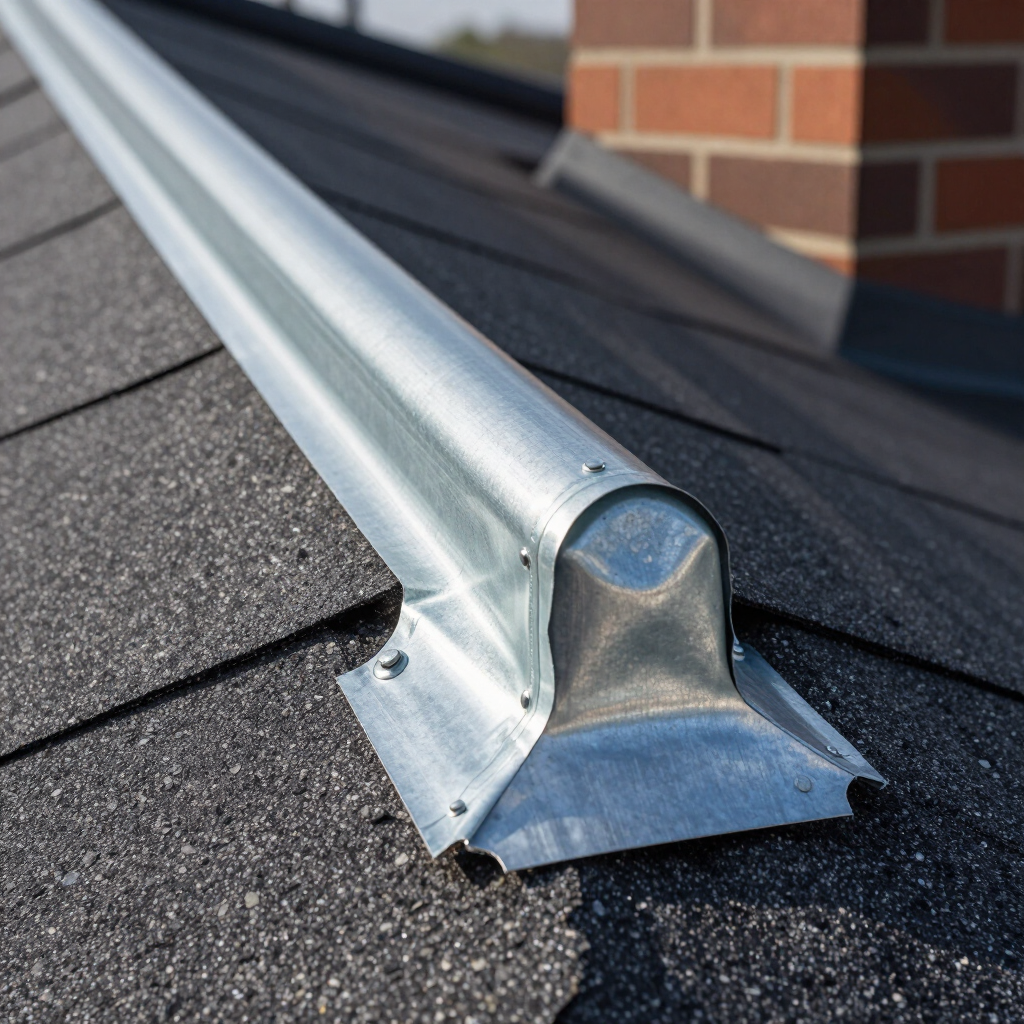
2. Flashing Separation
Metal flashing around chimneys, skylights, and vents expands and contracts during freeze-thaw cycles. This can create small gaps where water enters the roof system.
3. Ice Dam Damage
Ice dams frequently cause hidden water intrusion beneath shingles and underlayment near roof edges.
4. Attic Moisture and Mold
Poor ventilation and roof leaks often create condensation problems inside attics during winter.
5. Sagging Roof Areas
Heavy snow loads sometimes weaken decking or structural framing, especially on older homes.
6. Gutter and Drainage Damage
Snow and ice can pull gutters away from fascia boards or block proper drainage paths.
Without inspections, these problems often remain hidden until they become much more expensive to repair.
Why Spring Is the Best Time for Roof Inspections
The transition from winter to spring is one of the most important times to inspect your roof.
As temperatures rise and snow melts, hidden winter damage becomes easier to identify.
Benefits of Spring Roof Inspections
- Detect leaks before spring rain arrives
- Identify winter storm damage early
- Prevent mold and moisture problems
- Schedule repairs before peak summer demand
- Extend overall roof lifespan
For Anchorage homeowners, waiting until visible leaks appear often means the damage has already spread much further beneath the surface.
Signs You Should Schedule a Roof Inspection Immediately
Even if your roof looks fine from the ground, certain warning signs indicate potential winter damage.
Interior Warning Signs
- Ceiling stains
- Dripping water during snowmelt
- Musty odors in attic spaces
- Peeling paint near ceilings
- Increased heating costs
Exterior Warning Signs
- Sagging gutters
- Excessive icicles
- Uneven snow melting patterns
- Missing shingles
- Visible flashing damage
If you notice any of these signs, a professional inspection should be scheduled as soon as possible.
How Roof Inspections Save Homeowners Money
Some homeowners avoid inspections because they assume no visible damage means no problems exist.
Unfortunately, untreated roofing issues almost always become more expensive over time.
Small Problems Become Large Repairs
A loose flashing section today can become:
- Rotting roof decking
- Mold growth
- Structural framing damage
- Insulation replacement
- Interior drywall restoration
Catching these issues early dramatically reduces long-term repair costs.
Inspections Also Help Protect Insurance Claims
If storm damage is identified early, homeowners are often in a stronger position when filing insurance claims.
Documentation from a licensed roofing contractor provides valuable evidence of storm-related damage.
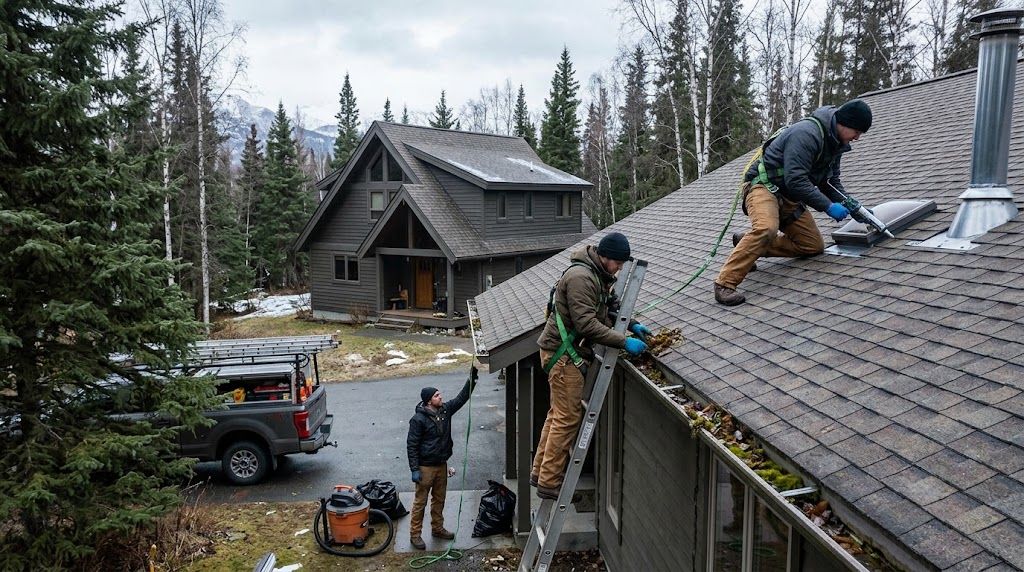
What Happens During a Professional Roof Inspection
At Alaska Shingle Solution, our inspections are designed specifically for Alaska’s climate conditions.
We Inspect:
- Shingle condition and wear
- Flashing around penetrations
- Roof valleys and drainage paths
- Attic ventilation systems
- Insulation performance
- Structural integrity
- Signs of moisture intrusion
- Gutter and downspout function
We also evaluate whether snow load or ice dams may have weakened specific roof sections during winter.
The Importance of Attic Inspections
Many roofing problems begin inside the attic long before they appear on the roof surface.
During inspections, attic evaluations help identify:
- Condensation buildup
- Ventilation issues
- Mold growth
- Insulation deficiencies
- Hidden roof leaks
In Anchorage homes, poor attic ventilation is one of the biggest contributors to recurring roof problems and ice dam formation.
Older Roofs Need More Frequent Inspections
If your roof is more than 15 years old, annual inspections become even more important.
Older roofing systems are more vulnerable to:
- Sealant failure
- Granule loss
- Wind uplift
- Cracking shingles
- Structural weakening
For homes in Wasilla, Palmer, and Eagle River, where snow accumulation may be heavier than central Anchorage, older roofs often deteriorate faster due to prolonged snow load stress.
Commercial Roof Inspections Matter Too
Commercial properties throughout Anchorage also require regular post-winter inspections.
Flat and low-slope roofs are especially vulnerable to:
- Ponding water
- Ice buildup
- Membrane punctures
- Drainage failures
Routine inspections help business owners avoid costly operational disruptions and major structural repairs.
Roof Maintenance Extends Roof Lifespan
Regular inspections are one of the easiest ways to extend the life of your roof.
Combined with preventative maintenance, inspections help homeowners:
- Avoid emergency repairs
- Reduce long-term costs
- Preserve warranties
- Improve energy efficiency
- Protect property value
A roof that receives routine inspections and maintenance may last several years longer than one that is neglected.
How Alaska Shingle Solution Helps Anchorage Homeowners
Our team understands the specific roofing challenges Alaska homeowners face.
We provide:
- Residential roof inspections
- Commercial roof evaluations
- Winter storm damage assessments
- Ice dam inspections
- Roof leak diagnostics
- Snow load evaluations
- Repair and replacement recommendations
We serve homeowners throughout:
- Anchorage
- Eagle River
- Wasilla
- Palmer
- Girdwood
Every inspection is designed to provide honest recommendations and long-term roofing solutions tailored to Alaska’s demanding climate.
For additional homeowner information about snow loads and winter roof safety, visit the [Federal Emergency Management Agency – https://www.fema.gov/].
FAQs About Roof Inspections After Winter Storms
How often should roofs be inspected in Alaska?
At least once annually, plus after severe winter storms or heavy snowfall events.
Can storm damage exist without visible leaks?
Yes. Many roofing problems remain hidden beneath shingles or inside attic spaces until significant damage develops.
Are roof inspections worth it for newer roofs?
Absolutely. Even newer roofs can experience storm-related damage or installation issues.
How long does a professional roof inspection take?
Most residential inspections take between 45 minutes and 2 hours depending on roof size and accessibility.
Schedule Your Post-Winter Roof Inspection Today
Winter weather can quietly compromise your roof long before visible damage appears inside your home.
A professional inspection from Alaska Shingle Solution helps identify problems early, protect your investment, and ensure your home is ready for the next Alaska season.
We proudly serve homeowners and businesses throughout Anchorage, Eagle River, Wasilla, Palmer, and Girdwood with reliable roofing expertise built for Alaska conditions.
Phone:
(907) 888-9805
Website:
https://www.akshinglesolution.com
OUR ROOFING SERVICES
Need Roof Help?
Protect your property with professional snow removal and ice dam prevention.
Contact Alaska Shingle Solution today.
Recent Posts